
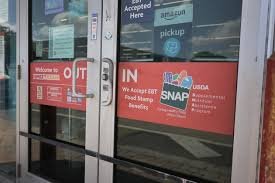
Understanding the SNAP Junk Food Restriction Ruling: Health vs. Choice
The debate over what constitutes “healthy food” has moved from the dinner table to the courtroom and legislative halls. Recently, the SNAP junk food restriction ruling has become a focal point for policymakers, health advocates, and millions of American families who rely on the Supplemental Nutrition Assistance Program (SNAP) to put food on the table.
But what exactly is happening? Is the government deciding what you can and cannot eat? Let’s dive into the details of this complex issue.
What is the SNAP Junk Food Restriction Debate?
For years, there has been a push to limit the use of SNAP benefits (commonly known as food stamps) on items deemed “junk food”—specifically sugar-sweetened beverages, high-sodium snacks, and highly processed foods. The goal of such restrictions is to combat the rising rates of obesity, diabetes, and heart disease in low-income communities.
The core of the SNAP junk food restriction ruling discussions revolves around balancing public health goals with the autonomy of the individuals receiving assistance. While the USDA (United States Department of Agriculture) provides general nutrition education, strict bans on specific food categories have faced significant legal and practical hurdles.
The Pros and Cons of Restricting Junk Food
To understand the impact of these rulings, it is essential to look at both sides of the argument:
- The Argument for Restrictions: Advocates argue that since SNAP is funded by taxpayers, the government has a responsibility to ensure those funds are used to improve public health and reduce long-term healthcare costs.
- The Argument Against Restrictions: Critics argue that such rulings stigmatize low-income families and ignore the reality of “food deserts”—areas where fresh, healthy food is simply unavailable or unaffordable, leaving processed options as the only choice.
How Does This Affect the Average User?
If you are a SNAP recipient, the current landscape generally allows for a wide range of food purchases. However, staying informed about policy changes is crucial. Potential shifts in rulings could lead to:
- Changes in Eligible Items: Certain high-sugar drinks or snacks could potentially be flagged as ineligible.
- Increased Nutrition Incentives: Instead of banning “bad” foods, some rulings favor incentivizing “good” foods, such as doubling the value of SNAP benefits spent on fresh fruits and vegetables.
- Stricter Retailer Guidelines: Stores may have to update their POS (Point of Sale) systems to filter out restricted items.
The Path Forward: Nutrition and Accessibility
Rather than simply restricting choices, many health experts suggest that the best way to improve nutrition is through increased accessibility. By supporting local farmers’ markets and improving infrastructure in underserved areas, the need for restrictive rulings decreases.
According to the CDC, sustainable dietary changes happen when healthy options are the easiest and most affordable options available.
Conclusion
The SNAP junk food restriction ruling is more than just a legal battle; it is a reflection of how society views health, poverty, and personal freedom. While the goal of a healthier America is universal, the method of achieving it remains a subject of intense debate.
Stay tuned for more updates on food policy and your rights as a benefit recipient.



