
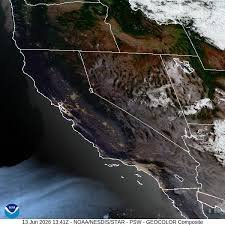
The San Andreas Fault: A Tectonic Behemoth
Deep beneath the scenic landscapes of California lies one of the most famous and feared geological features in the world: the San Andreas Fault. This massive fracture in the Earth’s crust is not just a line on a map; it is a dynamic boundary where two tectonic plates engage in a slow-motion struggle for dominance, shaping the geography of the West Coast.
But what exactly is happening underground, and why does this fault keep the world on edge? Let’s dive into the science and the risks associated with this geological giant.
What Exactly is the San Andreas Fault?
The San Andreas Fault is a transform boundary, meaning it is the place where the Pacific Plate and the North American Plate slide past each other horizontally. Unlike other faults where one plate dives under another, these two are grinding side-by-side.
Key Geological Facts:
- Length: It extends roughly 800 miles through California.
- Movement: The plates move at an average rate of about 2 inches per year (roughly the speed your fingernails grow).
- Stress Buildup: Because the rocks are jagged, they don’t slide smoothly. They get stuck, building up immense elastic energy until they suddenly snap, releasing energy as an earthquake.
The Legend of “The Big One”
You have likely heard the term “The Big One.” In seismology, this refers to a hypothetical, catastrophic earthquake—likely a magnitude 7.8 or higher—that could strike the southern section of the fault, particularly near Los Angeles or San Francisco.
While the exact timing is impossible to predict, the United States Geological Survey (USGS) monitors the fault 24/7 to provide the most accurate data possible. The danger lies in the fact that some segments of the fault have been “locked” for centuries, meaning they are overdue for a significant release of energy.
How to Prepare: Safety First
Living in a seismic zone can be daunting, but preparation is the best defense. Whether you live in California or are just visiting, knowing how to react can save lives.
Essential Earthquake Safety Tips:
- Drop, Cover, and Hold On: The gold standard for safety during shaking. Get under a sturdy table and hold on tight.
- Secure Your Space: Bolt heavy furniture (bookshelves, wardrobes) to the walls to prevent them from tipping over.
- Emergency Kit: Keep a bag ready with water, non-perishable food, a flashlight, and a first-aid kit.
- Stay Informed: Download official earthquake alert apps to get seconds of warning before the shaking starts.
Conclusion: Respecting the Power of Nature
The San Andreas Fault is a powerful reminder that our planet is alive and constantly evolving. While the thought of a major earthquake is frightening, understanding the science behind the San Andreas Fault allows us to build smarter cities and prepare better for the future.
Nature is unpredictable, but through engineering and education, we can coexist with the giants beneath our feet.



