
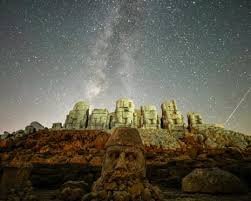
Get Ready for the Night Sky’s Most Dazzling Spectacle
There is something truly magical about a summer night spent gazing at the stars, but this year, the experience is about to get a lot more exciting. The Perseids meteor shower is returning, promising a breathtaking display of “shooting stars” that will light up the northern hemisphere’s skies.
Whether you are a seasoned astronomer or someone who simply loves the beauty of the cosmos, the Perseids are a perennial favorite due to their intensity and the brilliant fireballs they often produce. With viewing conditions looking particularly promising this year, now is the time to plan your stargazing adventure.
What Exactly are the Perseids?
While they look like stars falling from the sky, these streaks of light are actually debris. The Perseids occur when Earth plows through a trail of cosmic dust and remnants left behind by comet 109P/Swift-Tuttle. This icy giant orbits the sun every 133 years and isn’t expected to return to our neighborhood until 2125.
When these remnants collide with Earth’s atmosphere at extreme speeds, they incinerate, creating the dazzling streaks of light we see from the ground. This celestial phenomenon has been documented for over 2,000 years, making it one of the oldest observed astronomical events in human history.
When and Where to Watch the Peak
Timing is everything when it comes to meteor showers. This year, the activity is expected to peak on Wednesday night into Thursday morning. To make things even more exciting, the peak coincides with a six-planet parade and a total solar eclipse across parts of Spain, Iceland, and Greenland.
How many meteors can you see?
- n
- Ideal Conditions: According to NASA, observers under perfect dark skies could see between 50 to 100 meteors per hour.
- Rural US Areas: The American Meteor Society estimates that those in rural regions of the United States can expect to see 30 to 50 meteors per hour.
One of the biggest advantages this year is the lunar phase. With a new moon during the peak, there will be very little moonlight to “flood” the sky, allowing the fainter meteors to shine through with stunning clarity.
Pro Tips for the Best Viewing Experience
You don’t need expensive telescopes or professional equipment to enjoy the Perseids. In fact, your naked eye is the best tool for the job. Here is how to maximize your chances of seeing a fireball:
- Escape the City: Get as far away from city lights and light pollution as possible. A dark park or a rural field is ideal.
- Timing is Key: The best views typically occur between midnight and dawn, when the constellation Perseus is high in the northern sky.
- Let Your Eyes Adjust: Once you arrive at your spot, put your phone away. It takes about 30 minutes for your eyes to fully adjust to the darkness.
- Be Patient: Pick a wide patch of sky and let your gaze wander. Many meteors are caught in your peripheral vision.
As astronomer Zach Vanderbosch from the McDonald Observatory puts it, the beauty of the Perseids is not just in the science, but in the magic of the moment. So, grab a blanket, find a dark spot, and look up!



