
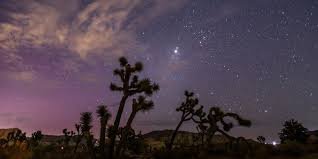
Experience the Magic of the Perseids: A Celestial Spectacle Awaits
There is something profoundly humbling about looking up at the midnight sky and witnessing a streak of light slice through the darkness. For many, it’s a moment to make a wish; for astronomers, it’s a cosmic dance of debris and gravity. The Perseid meteor shower, one of the most anticipated astronomical events of the year, is returning to light up the August night sky.
Whether you are a seasoned stargazer or someone who has never looked through a telescope, the Perseids offer a breathtaking show that is accessible to everyone. But what exactly causes this phenomenon, and how can you make the most of it?
What are the Perseids?
The Perseids are not actually stars falling from the sky. Instead, they are fragments of debris left behind by Comet 109P/Swift-Tuttle. As Earth passes through this trail of cosmic dust and ice, these particles collide with our atmosphere at incredible speeds, incinerating and creating the bright, fast-moving meteors and brilliant fireballs we see from the ground.
According to the American Meteor Society, these meteors are named the Perseids because they appear to radiate from the constellation Perseus, though they can be spotted across almost any part of the night sky.
When to Watch: Mark Your Calendars
While the Perseids remain active from July 17 through August 24, patience is key. To see the shower at its absolute peak, you’ll want to head outside between August 12 and August 13.
This year is particularly special. Because the peak coincides with a new moon, the sky will be significantly darker. This lack of lunar interference means that even the smallest, faintest meteors will be visible, potentially allowing observers to see up to 100 meteors per hour under optimal conditions.
Expert Tips for the Best Viewing Experience
To ensure you don’t miss a single fireball, follow these strategic tips to maximize your visibility:
- Escape the City Lights: Head to a dark-sky location far away from urban glow and streetlamps. The darker your environment, the more meteors you’ll see.
- Let Your Eyes Adjust: It takes about 20 to 30 minutes for your eyes to fully adapt to the darkness. Be patient!
- Put Down the Phone: The blue light from your smartphone will ruin your night vision. Keep your devices away to maintain your sensitivity to the faint streaks of light.
- Timing is Everything: While you can see meteors throughout the night, the hours after midnight and before dawn typically offer the highest frequency of sightings.
A Season of Wonders
The arrival of the Perseids adds to a thrilling sequence of celestial events. This year’s shower follows closely after a total solar eclipse visible in parts of Greenland, Iceland, and Spain, as well as partial eclipses across North America. For those interested in the latest space exploration and cosmic discoveries, keeping an eye on NASA’s official updates is a great way to stay informed.
From the shores of California to the hills of West Virginia, the world is about to look up in awe. So, grab a blanket, find a quiet spot, and prepare yourself for one of nature’s most dazzling displays.



