The Perseid Meteor Shower: Your Ultimate Guide to the Year’s Best Celestial Show
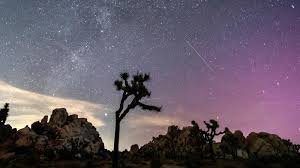
The Perseid Meteor Shower: Your Ultimate Guide to the Year’s Best Celestial Show
There is nothing quite like the magic of a summer night spent gazing at the stars, and if you are looking for the ultimate cosmic performance, the Perseid meteor shower is your golden ticket. Renowned for its intensity and beauty, this annual event transforms the night sky into a brilliant canvas of light and colour.
When Should You Watch the Perseids?
The Perseids aren’t just a one-night event; they grace our skies for several weeks. According to the American Meteor Society (AMS), the shower typically occurs from July 17 to August 23. However, if you want to witness the spectacle at its absolute peak, mark your calendars for August 12 and 13.
During these peak nights, the sky becomes a playground of shooting stars, with some observers reporting between 50 to 100 meteors per hour under ideal conditions.
What Makes the Perseids So Special?
Astronomers often cite the Perseids as the best meteor shower of the year. But why is that? According to NASA, it is because these meteors are exceptionally “swift and bright,” often leaving long, glowing wakes of light behind them as they pierce through Earth’s atmosphere.
One of the most exciting features of this shower is the appearance of fireballs. Unlike standard meteors, fireballs are larger explosions of light and colour that persist longer in the sky, creating a truly breathtaking sight for any stargazer.
The Science Behind the Sparkle
Where do these streaks of light come from? The Perseids are the result of debris left behind by the comet Swift-Tuttle. This massive comet, with a nucleus spanning roughly 16 miles, orbits the sun every 133 years. As Earth passes through the trail of dust and debris left by the comet, these particles collide with our atmosphere, incinerating and creating the fiery streaks we see from the ground.
Pro Tips for the Best Viewing Experience
To make the most of the Perseid meteor shower, a little preparation goes a long way. Here is how to ensure you don’t miss a single fireball:
- n
- Find Dark Skies: Get as far away from city lights and light pollution as possible. A rural field or a designated dark-sky preserve is ideal.
- Look Toward Perseus: The shower is named after the constellation Perseus, located in the northern sky, which is where the meteors appear to originate.
- Timing is Everything: While they can be seen throughout the evening, the predawn hours are typically the best time for viewing in the Northern Hemisphere.
- Let Your Eyes Adjust: Give your eyes about 30 minutes to adapt to the darkness. Avoid looking at your phone screen during this time to maximize your night vision.
- Get Comfortable: The best way to watch is to lie flat on your back. Bring a reclining chair or a blanket to ensure you can look straight up without straining your neck.
Whether you are a seasoned astronomer or someone looking for a romantic evening under the stars, the Perseid meteor shower is an event you cannot afford to miss. Grab a blanket, head outdoors, and prepare to be amazed by the wonders of the universe!
📰 You May Also Like