
The Sky Over Moscow: A New Era of Ukrainian Long-Range Strikes
In a daring and unprecedented escalation, Ukrainian forces recently launched their largest combined missile and drone strike package against strategic targets in the Moscow Oblast. This operation, occurring just as Russia concluded its State Duma elections, has sent shockwaves through the Kremlin and left the Russian public questioning the effectiveness of their air defenses.
The scale of the assault was staggering. Moscow City Mayor Sergei Sobyanin reported that over 1,600 Ukrainian drones were deployed, with 450 targeting the approaches to the capital. This represents the most significant strike package since the full-scale invasion began in February 2022.
Targeting the Heart of Russian Energy: The Gazpromneft-Moscow Hit
One of the most critical blows was delivered to the Gazpromneft-Moscow Oil Refinery in Kapotnya Raion. This facility is a cornerstone of Russia’s energy infrastructure, boasting an annual processing capacity of approximately 12 million tons of oil. According to reports, the strikes caused massive fires and severely damaged primary oil processing and isomerization units.
- n
- Operational Impact: The refinery was forced to pause operations.
- Strategic Loss: Offline Russian refining capacity jumped from 10% to 14%.
- Logistics Hit: Warehouses belonging to Modern Warehouse Technologies LLC near Sofyino were also neutralized.
What is the ‘Pelican’ Strike Vehicle?
Amidst the chaos, President Volodymyr Zelensky revealed a new addition to Ukraine’s arsenal: the “Pelican” strike vehicle. This mysterious weapon has sparked intense debate among military analysts and intelligence agencies.
While some Russian military bloggers suggest the “Pelican” refers to the FP-7 ballistic missile, others argue that its stated range of 300 kilometers would be insufficient to reach Moscow from the Ukrainian border. Conversely, open-source intelligence (OSINT) sources suggest the Pelican is actually a highly advanced one-way attack drone designed for deep penetration into enemy territory.
Regardless of its exact technical nature, the Pelican symbolizes Ukraine’s evolving ability to project power far beyond the frontlines, challenging the perceived safety of the Russian heartland.
Chaos in the Kremlin: Elections vs. Public Safety
The timing of the attack coincided with the Russian State Duma elections, creating a PR nightmare for Vladimir Putin. Reports indicate that Moscow authorities failed to activate air alert sirens or send SMS warnings to civilians, likely to avoid panic and ensure a high voter turnout.
This decision has fueled discontent within Russia, with even Kremlin-affiliated bloggers criticizing the official response for undermining public trust. While the Kremlin presents the election results as a victory for the war effort, the reality on the ground suggests a growing gap between state propaganda and the lived experience of Russian citizens.
Beyond Moscow: The Wider War Effort
While the “Pelican” makes headlines in Moscow, the conflict continues to evolve across multiple fronts:
- Operation Vivaldi: In the Lyman direction, the Ukrainian 3rd Army Corps has successfully liberated approximately 50 square kilometers, utilizing a sophisticated mix of drones and Unmanned Ground Vehicles (UGVs) to break positional warfare.
- Economic Warfare: Russian ballistic missiles have targeted Ukraine’s remaining major steel plants, causing a massive shortfall in tax revenue and infrastructure destruction.
- Air Defense Struggles: Russia is increasingly using jet-powered drones to target Ukrainian radar stations, attempting to degrade the air defense umbrella before the winter months.
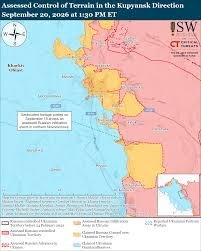
For a deeper dive into the geospatial analysis of these conflicts, the Institute for the Study of War (ISW) provides world-class open-source conflict maps and detailed assessments.
Conclusion: A Shift in Strategic Momentum
The introduction of the Pelican strike vehicle and the successful penetration of Moscow’s airspace signal a critical shift. Ukraine is no longer just defending its borders; it is actively dismantling the logistics and psychological stability of the Russian state. As the conflict enters a new phase, the mystery of the Pelican remains a potent symbol of Ukrainian innovation and resilience.



