
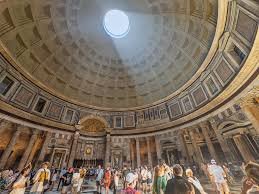
The Magic of the Pantheon: When Architecture Meets the Cosmos
Imagine standing beneath one of the most iconic domes in the world, waiting for a precise moment in time. Every April 21 at exactly noon, the Pantheon in Rome transforms into a giant celestial clock. A singular, brilliant beam of sunlight descends through the oculus, striking the bronze entrance doors with pinpoint accuracy.
This isn’t a mere coincidence of nature; it is a masterclass in ancient engineering that has functioned without fail for nearly 2,000 years.
Natale di Roma: A Birthday Written in Light
The timing of this phenomenon is deeply symbolic. April 21 marks Natale di Roma, the anniversary of the founding of Rome in 753 BC. For the Romans, this was the most spiritually and politically charged date on their calendar.
Emperor Hadrian, who commissioned the current structure between 118 and 128 AD, didn’t just build a temple; he designed a political statement. By orienting every stone to align with the midday sun on Rome’s birthday, Hadrian ensured that as he entered the building, he was literally bathed in divine light. It was a powerful fusion of imperial authority and cosmic order—one of the world’s first “special effects.”
The Oculus: More Than Just a Window
At the very peak of the dome lies the oculus, a circular opening measuring just over eight meters in diameter. With no glass or cover, it serves as the building’s sole source of natural light, creating a dynamic atmosphere that changes with the weather and the time of day.
According to researchers Robert Hannah and Giulio Magli, the Pantheon’s design was purely intentional. The specific inclination of the dome and the axis of the entrance were technical calculations designed to track:
- n
- The Spring Equinox
- The Summer and Winter Solstices
- The Cardinal Moments of the Year
Essentially, the Pantheon is a permanent stone calendar that has required zero adjustments since the reign of the Roman Emperors.
Planning Your Visit: Tips for Travelers
If you want to witness this solar alignment firsthand, preparation is key. Because of the massive crowds drawn to the city for Natale di Roma, the Direzione Musei Nazionali strongly recommends booking your tickets in advance.
Quick Visitor Guide:
- n
- Admission Cost: Full price is five euros; reduced tickets are available for three euros.
- Booking: Tickets can be purchased online to avoid the longest queues.
- Best Time: Be inside the temple well before noon on April 21 to secure a spot.
While the April 21 alignment is the most prestigious, the Pantheon continues its celestial performance throughout the year. Whether you are a history buff, an architecture lover, or a traveler seeking the magic of the Eternal City, the Pantheon remains a testament to human ingenuity and the timeless allure of Rome.
For more information on visiting Italy’s heritage sites, check the official Italian Ministry of Culture website.



