
The Modern US Navy: A Powerhouse of Innovation and Global Strategy
In an era of shifting geopolitical landscapes, the US Navy remains a cornerstone of global stability and maritime security. More than just a military force, the Navy represents a sophisticated blend of advanced engineering, strategic diplomacy, and unwavering discipline. From the vast reaches of the Pacific to the critical corridors of the Atlantic, the presence of the Navy ensures the free flow of commerce and the protection of international waters.
Cutting-Edge Maritime Technology
The evolution of naval warfare has been driven by rapid technological advancements. Today, the US Navy is integrating artificial intelligence and autonomous systems to enhance operational efficiency and sailor safety. One of the most impressive feats of modern engineering is the Gerald R. Ford-class aircraft carrier, which utilizes electromagnetic aircraft launch systems (EMALS) to redefine how air power is projected from the sea.
Key technological pillars currently shaping the fleet include:
- Unmanned Systems: The deployment of underwater and aerial drones for surveillance and mine countermeasures.
- Cybersecurity: Implementing robust digital defenses to protect naval communications from sophisticated electronic warfare.
- Sustainable Energy: Research into nuclear propulsion and alternative fuels to increase endurance and reduce environmental impact.
The Strategic Role in Global Trade
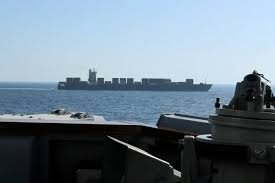
Beyond combat readiness, the Navy plays a vital role in the global economy. By securing critical “choke points”—such as the Strait of Hormuz and the South China Sea—the Navy protects the shipping lanes that transport the majority of the world’s goods. This maritime guardianship is essential for preventing piracy and ensuring that global supply chains remain uninterrupted.
Careers and Leadership: More Than Just a Job
Joining the Navy is not only about serving the country but also about personal and professional transformation. The rigorous training provided creates leaders capable of managing complex systems and leading diverse teams under extreme pressure. Whether in engineering, aviation, or intelligence, the skills acquired in the Navy are highly transferable to the civilian sector, making it a premier institution for leadership development.
For those looking to explore the opportunities within the naval forces, the focus is increasingly on STEM education, encouraging a new generation of sailors to master the intersection of technology and maritime strategy.
Conclusion
The US Navy continues to adapt to the challenges of the 21st century, balancing its traditional role of deterrence with a forward-looking approach to technology and diplomacy. As the world becomes more interconnected, the importance of a capable and innovative naval force cannot be overstated.



