
The Inspiring Journey of Jackie the Eagle: A Story of Resilience and Recovery
In the world of wildlife rescue, few stories are as gripping and emotionally charged as the Jackie the eagle recovery. For nature lovers and animal advocates, watching a majestic bird of prey fight its way back to health is more than just a medical success—it is a testament to the resilience of nature and the dedication of wildlife rehabilitators.
The Turning Point: The Rescue of Jackie
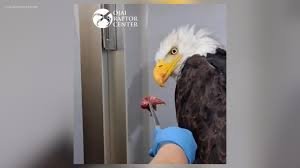
Every recovery story begins with a critical moment. Jackie, a magnificent bald eagle, was found in a vulnerable state, suffering from injuries that threatened her ability to hunt and survive in the wild. The immediate intervention by specialized rescuers was the first step in what would become a long and arduous journey toward healing.
The initial phase of the Jackie the eagle recovery involved stabilization, pain management, and intensive care. For a bird that symbolizes freedom and strength, being confined to a veterinary clinic is a significant challenge, both physically and psychologically.
The Road to Recovery: Patience and Precision
Recovering from severe injuries requires more than just medication; it requires a carefully curated environment and a rigorous rehabilitation plan. Jackie’s journey included several key milestones:
- n
- Medical Treatment: Specialized veterinary care to heal fractures and infections.
- Physical Therapy: Gradual exercises to regain muscle tone and wing strength.
- Dietary Optimization: A high-protein diet designed to fuel the body’s healing process.
- Flight Conditioning: Transitioning from a small enclosure to a larger flight pen to test endurance.
n
n
n
n
The bond between Jackie and her caregivers played a crucial role. While rehabilitators strive to minimize human contact to prevent habituation, the trust built during those critical moments of care ensured that Jackie remained calm and focused on her recovery.
Back to the Skies: The Ultimate Goal
The most rewarding part of any eagle rehabilitation process is the release. After months of hard work, Jackie proved that she had regained the strength and instincts necessary to thrive on her own. The moment she took flight once more was not just a victory for her, but for everyone who supported her journey.
The success of Jackie’s case highlights the importance of supporting organizations dedicated to the U.S. Fish and Wildlife Service and other conservation efforts that protect endangered and injured species.
How You Can Help Wildlife Recovery
While we may not all be licensed rehabilitators, we can all contribute to the safety of birds of prey like Jackie. Here are a few simple ways to help:
- n
- Report Sightings: If you find an injured bird, contact local wildlife authorities immediately.
- Avoid Disturbances: Keep a safe distance from nests and foraging areas.
- Support Conservation: Donate to accredited wildlife rescue centers.
n
n
n
Jackie’s story serves as a powerful reminder that with the right care and a bit of determination, even the most dire situations can have a happy ending. Her flight is a symbol of hope for wildlife conservation everywhere.



