
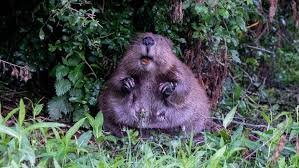
The Incredible Beaver: Nature’s Greatest Architects and Canada’s National Icon
When you think of Canada, a few images immediately come to mind: the majestic Rockies, the vibrant maple leaf, and the hardworking beaver. More than just a cute animal with a flat tail, the beaver is a powerhouse of nature and a symbol of Canadian perseverance and ingenuity.
But what makes the beaver so special? Beyond their role in national folklore, these creatures are biological marvels that actively shape the world around them. Let’s dive into the fascinating world of the North American beaver.
Why Beavers Are Called “Ecosystem Engineers”
In the world of ecology, few animals have as significant an impact on their environment as the beaver. They are often referred to as ecosystem engineers because they don’t just inhabit a habitat—they create it.
By building intricate dams across streams and rivers, beavers transform flowing water into still ponds and wetlands. This process provides several critical environmental benefits:
- n
- Water Filtration: Beaver ponds act as natural filters, trapping sediment and pollutants, which improves water quality downstream.
- Biodiversity Boost: These wetlands create essential habitats for countless species of fish, birds, amphibians, and insects.
- Flood Prevention: By slowing down the flow of water, beaver dams help reduce the severity of downstream flooding during heavy rains.
- Drought Resilience: During dry spells, the water stored in beaver ponds keeps the surrounding landscape hydrated and green.
For a deeper look at how these animals impact the environment, you can explore the detailed biological classifications on Wikipedia.
Fascinating Facts About the North American Beaver
The beaver is a marvel of evolution, equipped with specialized tools to handle the toughest Canadian winters and the hardest woods. Here are some intriguing facts:
- Iron-Clad Teeth: A beaver’s front teeth are orange because they are reinforced with iron, making them strong enough to chew through thick tree trunks.
- Built for Swimming: With webbed hind feet and a powerful, flat tail used for steering and signaling danger, they are masters of the aquatic realm.
- Waterproof Fur: Their thick fur is coated in a special oil called castoreum, which keeps them warm and dry even in freezing Canadian waters.
- Social Structures: Beavers are highly social animals that live in family groups, working together to maintain their dams and lodges.
The Beaver’s Legacy in Canadian Heritage
The relationship between Canada and the beaver goes back centuries. During the early days of European exploration, the fur trade—driven by the high demand for beaver felt hats in Europe—was a primary driver of the Canadian economy and the expansion of early settlements.
Today, while the fur trade is no longer the economic engine it once was, the beaver remains a proud emblem of the nation. It represents hard work, persistence, and a deep connection to the rugged Canadian wilderness.
Conclusion: Protecting Our Natural Engineers
The beaver is more than just a national symbol; it is a vital component of the Canadian landscape. By protecting beaver populations, we are essentially protecting the health of our waterways and the diversity of our wildlife.
Next time you spot a beaver dam while hiking through the Canadian woods, remember that you are looking at one of nature’s most successful architectural feats. Let’s appreciate and conserve these incredible creatures for generations to come.
Want to learn more about protecting local wildlife? Visit Parks Canada to discover how you can help preserve the natural beauty of our national parks.



