
Understanding the Tradition: The History of Labor Day
Before diving into the current economic climate, it is essential to reflect on the history of Labor Day. Established in the late 19th century, Labor Day was created to honor the social and economic achievements of American workers. It serves as a tribute to the contributions workers have made to the strength, prosperity, and well-being of the country. Traditionally, it also marks the unofficial end of the summer season, leading to one of the busiest travel weekends of the year.
However, this year, the spirit of celebration is being overshadowed by a pressing concern for millions of drivers: the skyrocketing cost of fuel.
A Perfect Storm: Why Gas Prices are Spiking
American consumers are currently facing some of the highest fuel costs in recent history. The primary catalyst for this surge has been the geopolitical instability resulting from the conflict between the US and Iran. Recent escalations, including strikes on oil tankers, have sent shockwaves through the global energy market.
The Strait of Hormuz Bottleneck
A critical factor in this price hike is the volatility surrounding the Strait of Hormuz. As a primary artery for global energy, approximately one-fifth of the world’s oil and liquefied natural gas passes through this narrow waterway. The near-closure of the strait has led to a dramatic increase in crude oil prices.
- n
- Brent Crude Pre-War: $72.48 per barrel
- Brent Crude Post-Escalation: $95.52 per barrel
Record-Breaking Costs for the Holiday Weekend
According to data from the American Automobile Association (AAA), this Labor Day weekend is seeing unprecedented pricing. The national average for regular gasoline reached $4.14, surpassing the previous record of $3.82 set in 2012. This represents a staggering 38% increase since the onset of the conflict.
The Government’s Strategy: Will Prices Drop?
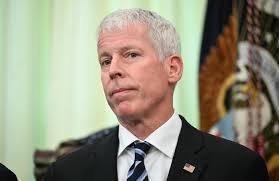
U.S. Department of Energy Secretary Chris Wright has offered a glimmer of hope. During appearances on news networks like ABC’s “This Week,” Wright suggested that as the “summer driving season” concludes following Labor Day, demand will naturally decline, potentially lowering prices.
Furthermore, the Trump administration is implementing several strategies to stabilize the market:
- Venezuela Oil Reserves: A deal to secure 65 billion barrels of oil reserves aimed at increasing supply.
- Refinery Deregulation: Easing rules for US refiners to boost domestic gasoline production.
- Strategic Reserves: Leveraging energy assets to mitigate the impact of foreign conflicts.
The Economic Outlook and Political Stakes
With midterm elections approaching, the cost of living—and specifically the price at the pump—has become a pivotal issue. Bringing down energy costs was a cornerstone of the current administration’s campaign promises. While analysts warn that infrastructure issues in Venezuela may slow the impact of new deals, the government remains optimistic that prices are more likely to trend downward than upward in the coming months.
For more information on energy trends, you can visit the U.S. Department of Energy official website.



