
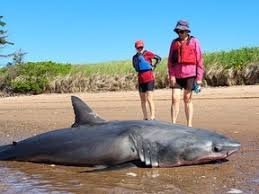
The Majestic World of Sharks: More Than Just Apex Predators
When most people hear the word sharks, their minds immediately jump to cinematic scenes of menacing fins cutting through the water. However, beyond the Hollywood stereotypes lies a fascinating reality. Sharks are some of the most misunderstood creatures on Earth, playing a role in our marine ecosystems that is not only important but absolutely essential.
From the colossal Whale Shark to the elusive Goblin Shark, these cartilaginous fish have survived five mass extinction events, making them true masters of evolution. In this guide, we explore the diversity, the myths, and the critical importance of these ocean guardians.
The Incredible Diversity of Shark Species
There isn’t just one type of “shark.” In fact, there are over 500 different species, each adapted to a specific environment. This diversity is a testament to their resilience and adaptability.
- The Whale Shark: The largest fish in the ocean, these gentle giants feed on plankton and are known for their docile nature.
- The Great White Shark: The most famous of all, known for its power and intelligence, acting as a key regulator of seal populations.
- The Hammerhead Shark: Distinguished by their unique head shape, which provides them with 360-degree vision and superior sensory perception.
- The Cookiecutter Shark: A small but specialized predator that takes circular bites out of larger marine animals.
Debunking Common Shark Myths
For decades, misinformation has painted sharks as mindless man-eaters. It’s time to set the record straight with scientific facts:
Myth: Sharks hunt humans.
Reality: Humans are not part of a shark’s natural diet. Most “attacks” are cases of mistaken identity, where a shark confuses a surfer or swimmer with a seal or sea lion.
Myth: Sharks can smell a single drop of blood from miles away.
Reality: While they have an incredible sense of smell, it isn’t supernatural. Their ability varies by species, but they cannot detect a single drop across an entire ocean; they follow scent trails moving with the currents.
Why Sharks are Crucial for the Planet
As apex predators, sharks maintain the balance of the ocean’s food web. By hunting the sick and weak, they ensure that prey populations remain healthy and that no single species overpopulates and destroys the local vegetation or coral reefs.
Without sharks, the ocean’s ecosystem would collapse, leading to a decline in fish populations that millions of humans rely on for food and livelihoods. To learn more about the delicate balance of marine life, you can visit the National Geographic Sharks portal.
The Threat of Extinction and How to Help
Despite their power, sharks are currently under threat. Overfishing, habitat destruction, and the cruel practice of shark finning have pushed many species toward the brink of extinction.
According to the World Wildlife Fund (WWF), conservation efforts are critical to ensure these animals survive for future generations. Here is how you can help:
- Support Sustainable Seafood: Choose fish caught using methods that minimize bycatch.
- Spread Awareness: Educate others about the importance of sharks to combat fear-based myths.
- Support Marine Protected Areas (MPAs): Advocate for the creation of sanctuaries where sharks can breed and hunt safely.
Conclusion: Sharks are not the villains of the ocean; they are its protectors. By shifting our perspective from fear to fascination, we can work together to preserve these incredible creatures and the health of our blue planet.



