
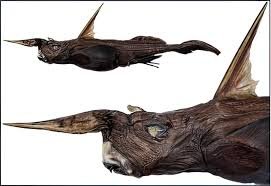
Unveiling the Mystery: The Ghost Shark of the Costa Rican Deep
The ocean remains one of the last great frontiers of exploration on Earth. Recently, the deep waters off the coast of Costa Rica have become the center of attention for marine biologists and nature enthusiasts alike, following the sighting of the elusive deep sea ghost shark.
But what exactly is a ghost shark, and why is its presence in Central American waters so significant? Let’s dive deep into the abyss to uncover the truth about this ethereal creature.
What is a Deep Sea Ghost Shark?
Despite its name, the ghost shark is not a true shark. It belongs to a group of cartilaginous fish known as chimaeras. These prehistoric creatures have wandered the ocean floors for millions of years, remaining largely hidden from human eyes due to the extreme depths they inhabit.
Their “ghostly” appearance comes from their pale, translucent skin and large, haunting eyes, which are specially adapted to capture the faint traces of light in the midnight zone of the ocean. This unique physiology allows them to thrive in high-pressure, low-temperature environments where few other species can survive.
Why Costa Rica?
Costa Rica is globally renowned for its biodiversity, but most people only think of its rainforests and surface corals. However, the deep-sea trenches surrounding the country offer a complex ecosystem. The discovery of the ghost shark in this region highlights the importance of the National Oceanic and Atmospheric Administration (NOAA) guidelines for protecting deep-sea habitats.
The confluence of currents and the depth of the Pacific waters near Costa Rica create a perfect sanctuary for these rare fish, making the region a goldmine for scientific research.
Fascinating Facts About the Ghost Shark
- Prehistoric Lineage: They are more closely related to sharks than bony fish, but they diverged from the shark lineage millions of years ago.
- Sensory Mastery: Like sharks, they use electroreception to detect the muscle contractions of their prey in total darkness.
- Rare Sightings: Because they live thousands of meters below the surface, sightings are incredibly rare and usually occur only during specialized deep-sea expeditions.
- Diet: They primarily feed on mollusks, crustaceans, and small fish found on the ocean floor.
The Importance of Marine Conservation
The sighting of the deep sea ghost shark in Costa Rica is a reminder of how much we still have to learn about our planet. As deep-sea mining and climate change threaten these fragile ecosystems, the need for conservation becomes urgent. According to National Geographic, protecting the deep ocean is critical for maintaining the global ecological balance.
By studying these “ghosts of the deep,” scientists can better understand the evolutionary history of marine life and the impact of environmental changes on the most remote parts of our world.
Are you fascinated by the mysteries of the ocean? Stay tuned for more discoveries from the depths of the blue!



