The End of an Era: Academy of Natural Sciences Museum to Close Its Doors
A Heartbreaking Farewell to a Philadelphia Landmark
For nearly two centuries, the Academy of Natural Sciences of Drexel University has been a beacon of curiosity and scientific discovery in Philadelphia. However, in a move that has sent shockwaves through the local community, leaders have announced that the museum will officially cease public operations on September 30.
The institution, which first welcomed the public in 1828, will have its final day of regular operating hours on Sunday, September 27. For generations of visitors, this was more than just a museum; it was a gateway to understanding the natural world.
Why is the Academy of Natural Sciences Closing Its Museum?
The decision was not made lightly. According to leadership from Drexel University and the Academy, a combination of shifting audience behaviors and rising operational costs created an unsustainable economic model. While efforts were made to bounce back after the pandemic, it became clear that visitation patterns had changed permanently.
To protect the institution’s long-term legacy, the board decided to concentrate its limited resources on its most critical assets: scientific research and the preservation of its massive collections.
What the Public Will Miss
The museum was renowned for its immersive exhibits and historical significance. Some of the most beloved highlights included:
- n
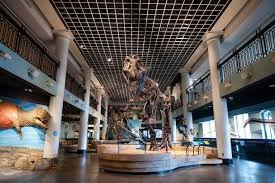
- The Dinosaur Hall: Featuring breathtaking dinosaur bones and full-scale replicas.
- The “Big-Dig” Fossil Exhibit: A hands-on experience that inspired countless aspiring paleontologists.
- Historic Collections: Items tied to legendary explorers Thomas Jefferson, Lewis, and Clark.
- Botany of Nations: An exhibition that reframed the Lewis & Clark expedition through Indigenous perspectives.
The Silver Lining: Research and Science Continue
While the museum doors are closing, the science is not. The closure does not affect the rest of the institution. The Academy will continue to build and maintain its collection of approximately 19 million specimens. Research will persist through vital departments such as the Drexel University affiliated Patrick Center for Environmental Research.
The Academy still owns the building on the Benjamin Franklin Parkway, and there is a glimmer of hope for the future. Board chair Suzanne Biemiller stated that the goal remains to find a new strategic model to eventually bring public engagement back in a different configuration or location.
Broader Financial Challenges at Drexel University
This closure comes amid a challenging financial period for Drexel University. The institution has been battling significant budget deficits and a decline in student enrollment over the last decade. By streamlining operations and reducing the financial drain of the museum, the university hopes to stabilize its academic mission.
What’s Next for the Academy?
With the immediate departure of CEO Scott Cooper, the boards of Drexel and the Academy are now working to establish a new governance structure. The city of Philadelphia and state officials are also involved in discussions to ensure that this world-renowned scientific resource remains a part of the city’s cultural fabric.
If you have always wanted to see the dinosaur halls or the historic dioramas, now is the time. Visit the Academy of Natural Sciences before September 27 to bid farewell to a true Philadelphia treasure.
📰 You May Also Like