
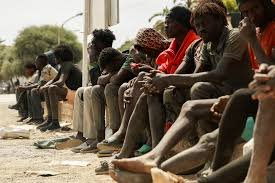
The Deadly Power of a Digital Rumour: The Tragedy at the Ceuta Border
In the digital age, a few keystrokes can change thousands of lives. A recent and devastating example of this occurred in Ceuta, the Spanish enclave bordering Morocco. What started as a viral rumour on social media quickly escalated into a humanitarian crisis, proving that misinformation is not just a political tool—it can be a lethal weapon.
At the end of July, a message began spreading like wildfire across platforms like Facebook and WhatsApp: “The border in Ceuta is open.” This single piece of misinformation drove approximately 72,000 migrants to attempt to force their way into the Spanish territory, often risking their lives in the process.
The Anatomy of a Lie: How the Rumour Spread
The crisis wasn’t an accident. According to security analysts and OSINT (Open Source Intelligence) reports, this was a coordinated operation. Here is how the misinformation was engineered:
- n
- Distortion of Legal Facts: The rumour twisted a Spanish Supreme Court ruling. While the court stated that immediate expulsion doesn’t apply to those arriving by sea, it did not mean the borders were open.
- Bot Amplification: Researchers noted that the messages were spread by unidentified accounts with almost no prior interaction, suggesting the use of automated bots to create a false sense of urgency and truth.
- Predatory Actors: Spanish Prime Minister Pedro Sánchez explicitly blamed “human trafficking mafias” for manipulating desperate people for profit.
The Human Cost of Digital Manipulation
The consequences of this digital deception were catastrophic. The push for entry resulted in a record-breaking influx of people in a matter of days. While most were eventually returned to Morocco, the human toll was staggering:
- At least 78 deaths, primarily due to drowning, according to the Ceuta prefecture.
- 11 additional deaths reported by Moroccan authorities.
To prevent further tragedies, Spanish authorities have since installed floating buoys in the Mediterranean, creating a physical and legal barrier to justify entry refusals for those arriving by sea.
The Responsibility of Social Media Giants
This tragedy raises a critical question: Who is responsible? Experts like Marcelino Madrigal argue that social media platforms played a role by failing to debunk false information or remove hazardous posts in real-time. When algorithms prioritize engagement over accuracy, the result can be a real-world disaster.
As we have seen in other global conflicts and crises, the weaponization of a rumour can destabilize regions and lead to loss of life. For more information on how to identify digital manipulation, you can visit the Reuters Fact Check portal, which specializes in debunking viral misinformation.
Final Thoughts: Staying Vigilant
The Ceuta crisis serves as a grim reminder that in an era of instant communication, critical thinking is our best defence. Verifying sources before sharing information isn’t just about accuracy—it’s about safety.



