
The Dark Side of Exotic Pets: Why a Monkey Abandoned on a London Bus is a Warning Sign
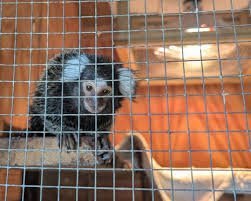
Imagine boarding a London bus and discovering a frightened, dehydrated animal hidden inside a laundry bag. This heartbreaking scene became a reality for passengers on the 302 bus in Kensal Rise, where a female common marmoset was found abandoned in a cage. Now named Oyster, after the iconic London transport payment system, this little monkey has become the face of a growing crisis in exotic pet ownership.
A Direct Result of New Primate Legislation?
The abandonment of Oyster isn’t just an isolated act of cruelty; animal welfare experts believe it is a symptom of new, stricter laws. As of April, new legislation in England mandates that all primates kept as pets must be licensed and microchipped. Owners who failed to comply by the deadline face severe consequences, including unlimited fines or even imprisonment.
While the laws are designed to protect animals, the RSPCA—which handled hundreds of primate neglect reports between 2021 and 2025—warns that some owners may choose abandonment over legal compliance. In Oyster’s case, she was not microchipped, making it significantly harder for authorities to track down the person responsible for leaving her behind.
The “Social Media Trap”: Why Monkeys Aren’t Pets
How did so many primates end up in domestic homes? Alison Cronin, Director of Monkey World, points to a dangerous trend on social media. Platforms like TikTok and Instagram often showcase wild animals as “cute” domestic pets, misleading well-meaning people into buying primates without understanding their complex needs.
According to government estimates, roughly 5,000 primates are kept as pets in England. However, experts emphasize that these animals are fundamentally unsuitable for home environments. Here is why a monkey should never be a house pet:
- n
- High Intelligence: They require constant mental stimulation that a home environment cannot provide.
- Complex Social Needs: Primates are intensely social and need the company of their own species to thrive.
- Space Requirements: They need vast areas to roam and exhibit natural behaviors.
- Specialized Care: Their dietary and medical needs are far beyond the scope of standard pet care.
The Road to Recovery for Oyster
Fortunately, Oyster’s story has a happy turning point. After being rescued in a state of extreme stress and dehydration, she is now recovering in a sanctuary equipped with specialist primate facilities. She has settled in well and is expected to be introduced to a male companion soon, finally receiving the social interaction she was deprived of.
A Call for Stricter Enforcement
While the new licensing system is a step in the right direction, organizations like Born Free argue that a complete ban on privately kept primates is the only real solution. Chris Lewis, a policy manager at Born Free, stresses that the success of current laws depends entirely on strict enforcement and public awareness.
The case of Oyster serves as a stark reminder: wild animals belong in the wild or in accredited sanctuaries, not in laundry bags on public transport.



