
The Changing Tide of NYC Politics: Mike Bloomberg and the Controversy Surrounding the Israel Day Parade
For decades, the annual Israel Day parade in New York City has served as a cornerstone event for the Democratic party establishment, symbolizing a long-standing alliance and shared identity. However, the most recent celebration highlighted a profound ideological rift within the city’s leadership, marking a historic departure from tradition.
A Historic Absence: The Divide in City Hall
While prominent figures and political heavyweights continued to march, the spotlight shifted to who was not there. In a move that has sent shockwaves through the political landscape, New York City Mayor Zohran Mamdani refused to attend the event. This decision marks a significant milestone, as Mamdani is believed to be the first mayor to skip the parade since its inception in 1964.
Mamdani’s absence was not a scheduling conflict but a calculated political statement. Citing his opposition to the current Israeli government’s actions in Gaza, the Mayor made it clear that his principles outweighed the traditional expectations of his office. This stance stands in stark contrast to the “establishment” approach historically championed by figures such as Mike Bloomberg.
The Establishment vs. The New Guard
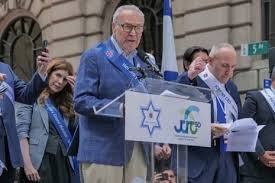
The parade saw a strong showing from the traditional Democratic wing. Among those marching were New York Senator Chuck Schumer, Governor Kathy Hochul, and former mayors Eric Adams and Mike Bloomberg. For Bloomberg and his contemporaries, attending the parade has long been a gesture of solidarity and a reflection of the city’s deep ties to the Jewish community.
However, the presence of Bezalel Smotrich, Israel’s far-right finance minister, complicated the narrative. Smotrich, a figure often criticized for his nationalist rhetoric and support for ethnic cleansing in occupied territories, put many attending Democrats in an awkward position. While Bloomberg and others marched, others like Governor Hochul later distanced themselves, condemning Smotrich as a “far-right extremist” whose values clash with those of New Yorkers.
A City in Transition: Shifting Public Sentiment
The tension surrounding the parade reflects a broader shift in American public opinion. According to recent data from Pew Research, there has been a noticeable decline in favorable views of Israel among Americans, particularly since 2022. New York City, home to the largest Jewish population in the United States, is at the epicenter of this sociological shift.
- n
- Progressive Push: Groups like Israelis for Peace and Jews for Racial and Economic Justice (JFREJ) boycotted the event, arguing that the presence of far-right politicians taints the celebration of Jewish identity.
- Historical Reckoning: The dispute intensified after City Hall released a video commemorating the Nakba, acknowledging the displacement of Palestinians in 1948—a move that critics called one-sided but supporters called necessary for historical truth.
- Political Evolution: Where previous mayors focused on staunch, unconditional support, Mamdani represents a new wave of leadership that advocates for equal rights and adheres to international legal standards, including the potential enforcement of ICC warrants.
Conclusion: The Future of New York’s Diplomatic Stance
The contrast between the attendance of Mike Bloomberg and the absence of Zohran Mamdani is more than just a difference in schedules; it is a reflection of a city grappling with its identity and its role in a global conflict. As the political landscape evolves, the tension between traditional diplomatic alliances and progressive activism will likely continue to define the leadership of New York City.



