
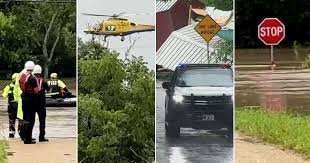
Catastrophic Flash Floods Strike Texas Hill Country: Lives Lost and Hundreds Rescued
The Texas Hill Country has been hit by a wave of historic flash flooding, turning peaceful rivers into raging torrents and leaving a trail of destruction across several counties. With torrential rains dumping over 28 inches of water in some areas, the region has faced a dire emergency, prompting massive rescue operations and heartbreaking losses.
A Deadly Toll and Heroic Rescue Efforts
The scale of the Texas flooding has been immense. Governor Greg Abbott confirmed at least two fatalities: 65-year-old John Mark Steward in Kerrville, whose RV was swept away, and a 74-year-old man in Uvalde County who tragically disregarded safety warnings.
In the face of this disaster, bravery has been the common thread. The Texas Game Wardens and the volunteer-led Cajun Navy 2016 have been instrumental in saving lives. Reports indicate that over 40 individuals were rescued from submerged vehicles and flooded homes, particularly in the hardest-hit areas of Uvalde and Kerr counties.
Rivers Reach Historic Crests
The Guadalupe and Pedernales Rivers became the epicenters of the crisis. In Center Point, a river gauge recorded a staggering rise to 37 feet—a level comparable to the devastating floods of 2025. This surge caused bridges to wash away and trapped residents, including a group of ten people who were successfully rescued from the roof of a barn.
Additionally, the LCRA (Lower Colorado River Authority) reported significant rises in Lake Travis, urging citizens to stay clear of the water as controlled releases and heavy runoff continued to raise levels by 5 to 7 feet overnight.
Infrastructure and Public Safety Response
One positive takeaway from this tragedy was the effectiveness of new early-warning systems. Flood sirens, installed after previous disasters, successfully alerted campers along the Guadalupe River to flee before the water reached critical levels.
Notable events during the crisis included:
- n
- Emergency Shelters: Multiple sites were opened in Uvalde and Kendall counties to provide refuge for displaced residents and their pets.
- The “Red Water” Mystery: Officials in Comfort quickly clarified that a strange red tint in the floodwaters was caused by a non-toxic agricultural diesel dye, preventing widespread panic.
- Road Closures: Major highways in Frio, Uvalde, and Zavala counties were shut down to prevent motorists from entering lethal currents.
How to Stay Safe During a Flash Flood
Emergency officials emphasize that the most dangerous action a person can take during Texas flash floods is attempting to drive through water. The golden rule remains: “Turn around, don’t drown.” Even a few inches of moving water can sweep a heavy vehicle off the road.
For those in high-risk areas, it is vital to monitor official updates from the National Weather Service (NWS) and follow all evacuation orders immediately.
Recovery and Support
As the waters recede, the focus shifts to recovery. Governor Abbott has provided channels for donations to help those who lost everything in the floods. Local organizations, such as the Hill Country Daily Bread Ministries in Boerne, are also providing emergency food and cleanup supplies to affected families.
For more information on flood preparedness and recovery assistance, visit the FEMA official website.



