
Crisis in the Capital: New Israeli Air Strikes Shake Beirut
The fragile peace in the Middle East has been shaken once again. In a significant escalation, Israel has launched air strikes on southern Beirut, marking the first direct attack on the Lebanese capital since the United States brokered a tenuous truce last week.
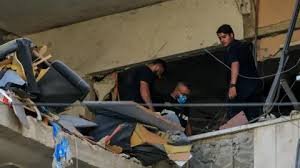
The strikes targeted the Dahieh district, a known stronghold for the Iran-backed group Hezbollah. According to Lebanon’s health ministry, the attacks hit two residential apartment buildings, resulting in at least two deaths and leaving over 20 people injured, including women and children.
The Justification and the Cycle of Violence
Israeli Prime Minister Benjamin Netanyahu defended the operation, stating that the military targeted “terrorist headquarters” in response to Hezbollah’s ongoing rocket fire into Israeli territory. While the US had previously pressured Israel to limit strikes in Beirut to avoid jeopardizing a wider peace deal, the cycle of retaliation continues to intensify.
The situation worsened on Sunday night when Iran fired missiles at Israel, claiming the move was a necessary response to increasing Israeli aggression in Beirut’s suburbs and southern Lebanon. This cross-border volatility has left civilians in the crossfire, with social media footage showing desperate crowds rushing to rescue survivors from the rubble in Dahieh.
Key Developments in the Conflict:
- Israeli Military Stance: An Israeli army spokesperson indicated on X (formerly Twitter) that “Hezbollah terrorist infrastructure” remains the target and warned that more strikes are likely.
- Hezbollah’s Response: The group claimed to have fired rockets at Israeli artillery positions, including Yiftah Barracks, citing violations of the ceasefire.
- Iranian Warning: Ebrahim Rezaie, a spokesperson for the Iranian parliament, promised a “decisive and painful response” to the strikes in Beirut.
Diplomatic Deadlock and the Role of the US
The diplomacy surrounding this conflict is as complex as the fighting itself. While President Trump has stated that there would be “no troops going to Beirut,” he has also suggested a separation between the peace tracks for Lebanon and Iran. This nuance comes at a time when the Dahieh attack threatens to destabilize both diplomatic efforts.
Within Lebanon, the political climate is equally strained. Parliament Speaker Nabih Berri has labeled the US-brokered deal a “trap,” arguing that it fails to ensure a full Israeli withdrawal from occupied territories in southern Lebanon. Furthermore, Hezbollah’s leader, Naim Qassem, has firmly rejected any calls for disarmament.
A Ceasefire in Name Only
Although a ceasefire has officially been in place since April 17, both sides have repeatedly violated the agreement. The conflict, which escalated on March 2 following Hezbollah’s retaliation for the killing of Iran’s supreme leader, has evolved into a brutal air and ground campaign.
As the international community watches closely, the strikes in Beirut serve as a stark reminder of how precarious the current truce is. For more in-depth analysis on Middle Eastern diplomacy, you can follow updates from high-authority sources like Reuters and the BBC News.
The world now waits to see if diplomacy can prevail or if the “to be continued” warning from the Israeli military signals a new, more violent chapter in the region.



