
The ‘Quiet’ Box That Shakes the World
In the vast expanse of the equatorial Pacific Ocean, scientists monitor a specific rectangular area known as the Niño 3.4 region. While it may seem like an empty stretch of water, this “box” acts as the world’s climate thermostat. When water temperatures here rise even a fraction of a degree, it triggers a domino effect of atmospheric changes across the globe.
Right now, the thermostat is spiking. We aren’t just seeing a standard cycle; we are witnessing a Super El Niño. For researchers on the front lines, the ocean no longer feels like the deep sea—it feels like a “baby pool,” with temperatures reaching dangerous levels that threaten the very foundations of marine life.
Coral Reefs: A Prelude to a Marine Graveyard
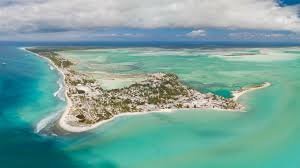
The impact is most brutal at Kiritimati, the world’s largest atoll. For ecologists like Kristina Tietjen and Julia Baum, the warming waters are a death sentence for coral reefs. Corals are incredibly sensitive; just a few weeks of elevated temperatures can lead to coral bleaching, where the organisms lose their vital symbiotic algae and their vibrant colors.
- n
- The 2015-16 Crisis: Approximately 90% of Kiritimati’s coral died during the previous major event.
- The Current Threat: Nearly half of the remaining recovering corals have already begun to bleach.
- The Long-term Outlook: Because reefs take decades to recover, frequent Super El Niño events may prevent them from ever regrowing, turning vibrant ecosystems into underwater graveyards.
Global Chaos: From Torrential Floods to Deadly Droughts
El Niño doesn’t stay in the Pacific; its energy radiates globally, altering weather probabilities in ways that cause humanitarian and economic crises. According to data from the Copernicus Climate Change Service, global sea-surface temperatures have hit record highs, amplifying these effects.
Key Global Impacts:
- South America: Northern Chile and Peru are facing torrential rains and landslides, with some routes to Machu Picchu forced to close.
- Asia and Africa: India and Ethiopia are enduring some of the driest summers in recorded history, threatening food security.
- United States: A typical pattern emerges with increased rainfall in the South and severe dry spells across the North.
The Biological “Knockout”: Peru’s Ecosystem in Peril
Along the coast of Peru, the Humboldt Current—a cold, nutrient-rich stream—usually supports massive schools of anchovies. However, during a Super El Niño, warm water displaces this current, causing the fish to vanish. This creates a catastrophic food shortage for seabirds.
Carlos Zavalaga, a seabird expert, describes the situation as a “boxing match.” After the devastation of avian flu and previous warming cycles, these birds are facing another “knockout” blow before they can recover. From starving Peruvian pelicans swarming fish markets to abandoned nests on remote islands, the biological toll is staggering.
Why This Time is Different: The Warming Baseline
The critical question is whether climate change is making El Niño more frequent. While scientists debate the frequency, they agree on the baseline. The ocean is warmer than it has ever been. This means that when an El Niño cycle occurs, it starts from a higher temperature, pushing peaks into “unfamiliar territory.”
As the National Oceanic and Atmospheric Administration (NOAA) continues to track these anomalies, one thing is clear: the predictability of the past no longer guarantees the safety of the future. We are moving into an era of exceptional climate events that could permanently alter coastlines, cultures, and the biodiversity of our planet.



