
Understanding the Power of a Super El Niño
Climate patterns can be unpredictable, but few events capture the attention of meteorologists and governments as much as a Super El Niño. But what exactly makes it “super,” and why should Canadians be paying close attention to the warming waters of the Pacific Ocean?
At its core, El Niño is a natural climate pattern characterized by the warming of surface waters in the eastern tropical Pacific Ocean. When this warming reaches extreme levels—surpassing typical thresholds—it is classified as a Super El Niño. This shift triggers a domino effect in the atmosphere, altering weather patterns across the entire planet.
How a Super El Niño Affects Canada
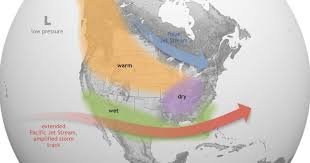
For those living in the Great White North, a Super El Niño typically means a significant departure from the norm. While the effects vary by province, the general trends often include:
- n
- Milder Winters: Western Canada and the Prairies often experience warmer-than-average winter temperatures, which can disrupt traditional snow patterns.
- Increased Precipitation: Parts of British Columbia may see heavier rainfall, increasing the risk of flooding and landslides.
- Agricultural Shifts: While warmer winters might seem beneficial, they can disrupt the dormancy cycle of crops and affect pest control, posing challenges for Canadian farmers.
Global Consequences: Beyond Our Borders
The impact of a Super El Niño isn’t limited to North America. This phenomenon creates a global imbalance that can lead to catastrophic weather events:
- Severe Droughts: Regions like Australia, Indonesia, and parts of Africa often face extreme dry spells, leading to wildfires and crop failures.
- Torrential Rains: South America, particularly Peru and Ecuador, often experiences devastating floods.
- Oceanic Disruption: The warming of the ocean surface disrupts marine ecosystems, impacting fish populations and the livelihoods of coastal communities.
The Link Between Super El Niño and Climate Change
Many experts argue that while El Niño is a natural cycle, global warming is amplifying its intensity. As the Earth’s baseline temperature rises, the “peaks” of these weather events become more extreme. According to data from NOAA (National Oceanic and Atmospheric Administration), the frequency and severity of extreme weather are closely tied to rising greenhouse gas emissions.
How to Stay Prepared
Whether you are a business owner, a farmer, or a homeowner, being prepared for climate volatility is essential. Here are a few tips:
- Monitor Official Alerts: Keep a close eye on updates from Environment and Climate Change Canada.
- Infrastructure Review: Ensure drainage systems are clear to handle unexpected heavy rainfall.
- Adapt Your Planning: For those in agriculture or tourism, create flexible plans to account for unseasonable temperatures.
Conclusion: A Super El Niño is a powerful reminder of how interconnected our global environment is. By understanding these patterns and integrating sustainable practices, we can better mitigate the risks and adapt to an ever-changing climate.



