
The Arrival of a Climate Giant: The Super El Niño
The world is bracing for a significant climatic shift. According to the latest reports from the National Oceanic and Atmospheric Administration (NOAA), an El Niño event has officially begun. However, this isn’t just any weather cycle; forecasts suggest it is intensifying into a “Super El Niño,” a phenomenon capable of drastically altering global weather patterns and pushing planetary temperatures to record-breaking heights.
But what exactly is happening in our oceans, and why should we be concerned? Let’s dive into the science and the potential consequences of this event.
What is the El Niño–Southern Oscillation (ENSO)?
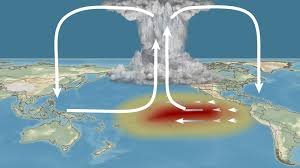
At its core, the El Niño–Southern Oscillation (ENSO) is a periodic weather pattern originating in the tropical Pacific Ocean. It involves a complex interaction between the ocean surface and the atmosphere. Under normal conditions, trade winds push warm surface waters toward Asia. During an El Niño event, these winds weaken or even reverse, allowing unusually warm waters to slosh back toward the central and eastern Pacific, near the coast of South America.
For an event to be classified as a “Super El Niño,” tropical Pacific water temperatures must rise more than 2 degrees Celsius above the average. Current computer models indicate that this threshold will not only be met but likely exceeded, making this one of the most powerful events in the historical record since 1950.
A Dangerous Synergy: El Niño and Global Warming
What makes this specific event particularly alarming is the background environment. We are no longer dealing with a natural cycle in a stable climate. This Super El Niño is occurring on top of a long-term warming trend caused by fossil fuel pollution and anthropogenic climate change.
Because El Niño transfers massive amounts of heat energy from the ocean to the atmosphere, it acts as a catalyst. Experts warn that this synergy virtually guarantees that coming years will eclipse previous records, potentially making 2027 the warmest year ever recorded on Earth.
Global Weather Disruptions: What to Expect
The impacts of the El Niño–Southern Oscillation are felt far beyond the Pacific coast. Depending on your region, the results can vary from devastating droughts to catastrophic flooding:
- North America (Canada & US): Western Canada and the northern US can expect warmer-than-average winter conditions. Meanwhile, the southern US often faces a wetter, cooler winter due to a more active jet stream. California, in particular, may see an increase in “atmospheric river” events, leading to heavy rainfall.
- Asia & Oceania: Regions like Australia, Indonesia, and India are prone to severe droughts and heatwaves. This not only threatens water supplies but significantly increases the risk of devastating wildfires.
- South America: Peru and northwestern South America are likely to experience heavy rainfall and flooding. Conversely, southeastern Brazil may face hotter-than-normal temperatures.
- The Atlantic & Pacific: While El Niño typically supercharges hurricane activity in the central and eastern Pacific, it often acts as a brake, reducing the number of hurricanes in the Atlantic.
Beyond the Weather: Oceans and Economy
The consequences extend beneath the waves and into our wallets. Marine heatwaves associated with ENSO lead to widespread coral bleaching, destroying vital ecosystems that protect coastlines and support biodiversity.
From an economic perspective, strong El Niño events are historically linked to reduced global economic growth. The reasons are clear: disaster losses from extreme weather, disruptions in food supply chains, and agricultural failures in key producing regions.
Conclusion: A Call for Vigilance
While we have a “playbook” for El Niño, the unprecedented warmth of our current global climate means we should expect the unexpected. The Super El Niño is a stark reminder of how interconnected our planet’s systems are and how human-induced warming can amplify natural volatility.
Staying informed through authoritative sources like the IPCC is crucial as we navigate these turbulent climatic waters.



