Student Strikes in Canada: Understanding the ‘Grève Étudiante’ Movement
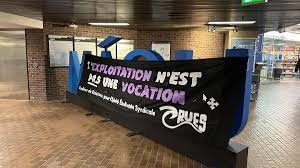
The Power of the Student Voice: Understanding the ‘Grève Étudiante’
Across Canada, and most notably in Quebec, the term grève étudiante (student strike) is more than just a political action; it is a symbol of youth activism and a demand for systemic change. From historic protests to modern digital demonstrations, student strikes have played a pivotal role in shaping the accessibility and affordability of higher education.
Why Do Student Strikes Happen?
While every movement is unique, most student strikes in Canada stem from a few core issues that affect the academic journey and future financial stability of young adults:
- n
- Tuition Fee Hikes: The most common catalyst. When the cost of education rises faster than inflation, students take to the streets to prevent the pricing-out of lower-income families.
- Funding Cuts: Reductions in government grants for universities and colleges often lead to larger class sizes and fewer resources.
- Quality of Education: Students often strike to demand better facilities, more updated curricula, and fairer treatment from administration.
- Social Justice: Many modern strikes overlap with broader movements, such as climate change or indigenous rights, reflecting a holistic approach to societal improvement.
The Legacy of the ‘Maple Spring’
You cannot discuss the grève étudiante without mentioning the “Maple Spring” (Printemps érable) in Quebec. This period of intense mobilization highlighted the tension between government austerity measures and the belief that education is a fundamental right rather than a commodity.
These movements often lead to intense negotiations between student unions and the provincial government, resulting in policies that can affect the entire Canadian educational landscape. For more information on current educational standards and funding, you can visit the Government of Canada Education portal.
Impact on the Community and Economy
A student strike is rarely contained within the campus walls. Its ripples are felt throughout society:
- Academic Delays: Strikes can lead to deferred exams and delayed graduations, impacting the entry of new professionals into the workforce.
- Political Pressure: They force policymakers to reconsider budget allocations and listen to the needs of the youth demographic.
- Civic Engagement: Participation in a strike often serves as a “civic awakening,” encouraging students to engage in voting and political discourse long after they graduate.
Conclusion: The Future of Student Activism
As we move toward a more digital age, the grève étudiante is evolving. Virtual protests and social media campaigns are now complementing physical picket lines, making the movement more inclusive and harder to ignore.
Whether you view these strikes as disruptive or democratic, one thing is certain: the passion of students ensures that the conversation about the value of education remains at the forefront of the national agenda.
📰 You May Also Like