
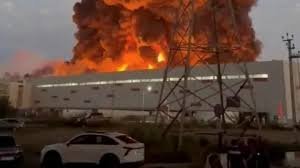
The New Frontline: From Oil Refineries to E-Commerce Hubs
In a significant tactical pivot, Ukraine has expanded its long-range drone campaign. After months of targeting oil depots and refineries to choke Russia’s energy sector, Kyiv is now aiming for the heart of Russia’s domestic logistics: the warehouses of Wildberries, the country’s largest online retailer.
This shift isn’t just about infrastructure; it’s a strategic move to disrupt the flow of sanctioned components used in drone production and navigation equipment, effectively hitting the Russian military’s supply chain where it hurts most.
Devastation at the Hubs: The Cost of War
The recent wave of attacks has been precise and punishing. Multiple logistics centers have been struck, including facilities in Elektrostal, Kotovsk, and Koledino. The consequences have been catastrophic:
- n
- Human Toll: Several workers were killed and dozens injured during night shifts at the targeted warehouses.
- Financial Loss: An estimated $1 billion (£750m) worth of goods were destroyed in the initial strikes.
- Logistical Chaos: Key hubs in the Krasnodar and Stavropol regions were neutralized, creating ripples across the Russian distribution network.
President Volodymyr Zelensky stated that these actions are a means of “bringing the war back home” to Russia, mirroring the destruction Russia has inflicted on Ukrainian cities since February 2022.
The Collateral Damage: Small Businesses in the Crossfire
While the strategic goal is military disruption, the actual victims are often independent entrepreneurs. Unlike Amazon, Wildberries operates primarily as a marketplace. This means when a warehouse burns, the loss is borne not by the corporation, but by the thousands of small and medium-sized enterprises (SMEs) that store their inventory there.
For many Russian sellers, these platforms are their only lifeline. Stories are emerging of mothers and small-scale traders losing millions of roubles overnight. To make matters worse, Wildberries recently added a “force majeure” clause to its contracts, specifically citing drone attacks as events for which the company is not liable for compensation.
A Cycle of Logistic Warfare
This “war of warehouses” is a two-way street. Russia has similarly targeted Ukrainian logistics, striking terminals of Nova Poshta (Ukraine’s largest postal operator) and warehouses belonging to retail chains like ATB and the Roshen confectionery group.
As the frontline remains in a stalemate, both nations are utilizing drone technology to target the economic and logistical backbone of their opponent. This strategy aims to create internal pressure by making the war’s economic reality felt by the civilian population.
The Bigger Picture: An Economy Under Strain
The strikes on Wildberries are described by experts as “another nail in the coffin” for the Russian SME sector. These businesses were already struggling with:
- Tax Hikes: VAT increases from 20% to 22% to fund defense spending.
- Infrastructure Failures: Internet shutdowns and fuel crises caused by previous strikes on refineries.
- Market Contraction: Over 200,000 small companies closed in early 2026 alone.
While the Kremlin denies that these platforms are used for military purposes, pro-war bloggers and evidence of military-grade gear on these sites suggest otherwise. As the conflict evolves, the integration of drone technology into economic warfare continues to redefine the boundaries of the modern battlefield.
To learn more about the evolving dynamics of the conflict, you can follow updated reports from high-authority sources like the BBC News or Reuters.



