
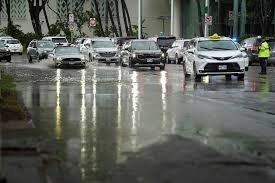
Storm Survival Guide: Essential Tips to Protect Your Home and Family
Nature is unpredictable, and when a severe storm (or tormenta) hits, being prepared can make all the difference between a minor inconvenience and a major disaster. Whether it is a thunderstorm, a hurricane, or a sudden flash flood, knowing how to react is crucial for your safety and the safety of your loved ones.
In this comprehensive guide, we will walk you through the essential steps to prepare your home, build an emergency kit, and stay safe during the height of the weather event.
1. Preparing Your Emergency Kit
You shouldn’t wait until the clouds turn grey to start gathering supplies. A well-stocked emergency kit ensures you have the basics if power lines go down or roads become impassable.
- n
- Water: At least one gallon per person per day for at least three days.
- Non-perishable Food: Canned goods, energy bars, and a manual can opener.
- Lighting: Flashlights with extra batteries (avoid candles to prevent fire risks).
- First Aid: A complete kit including bandages, antiseptic, and essential prescription medications.
- Communication: A battery-powered or hand-crank weather radio.
2. Securing Your Home Before the Storm
Preventing damage to your property can save you thousands of dollars in repairs. Take a few proactive steps before the storm arrives:
- Clear the Gutters: Ensure rain can flow freely to avoid flooding around your foundation.
- Secure Outdoor Furniture: Bring in patio chairs, umbrellas, and potted plants that could become projectiles in high winds.
- Check Windows and Doors: Ensure all seals are tight. If you live in a hurricane-prone area, install storm shutters.
- Trim Trees: Remove dead branches that could fall on your roof or power lines.
3. Safety During the Event: What to Do
When the storm is actually happening, your priority is physical safety. Follow these golden rules:
If you are indoors: Stay away from windows and glass doors. Move to the lowest floor or an interior room (like a closet or bathroom) if the wind becomes extreme.
If you are outdoors: Seek shelter immediately. Avoid standing under tall trees, power poles, or near bodies of water. If you are in a car, pull over safely away from trees and stay inside the vehicle.
For real-time updates and official warnings, always keep an eye on the National Weather Service (NWS), which provides the most accurate forecasting and alerts for the United States.
4. Post-Storm Recovery and Safety
The danger doesn’t end when the rain stops. Be cautious during the cleanup phase:
- Avoid Standing Water: Floodwaters can be contaminated or hide downed electrical wires.
- Inspect for Gas Leaks: If you smell gas, leave the house immediately and call the utility company.
- Document Damage: Take photos of any property damage for insurance claims before you start cleaning.
Conclusion
While we cannot control the weather, we can control our level of readiness. By preparing a kit, securing your home, and staying informed through official channels like FEMA, you can face any storm with confidence and peace of mind.
Stay safe, stay prepared, and always prioritize human life over material possessions.



