
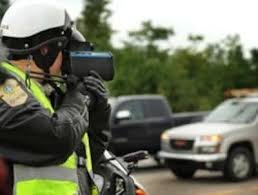
Speeding Tickets in Canada: Everything You Need to Know to Protect Your License
Getting pulled over for speeding (excès de vitesse) is a stressful experience for any driver. Whether you were momentarily distracted or simply didn’t notice a speed limit change, the consequences in Canada can range from a simple fine to the suspension of your driving privileges.
Understanding how traffic violations work in Canada is essential for maintaining your record and keeping your insurance premiums manageable. In this guide, we break down the impact of speeding and the steps you can take if you receive a ticket.
What Happens When You Get a Speeding Ticket?
In Canada, speeding is more than just a financial penalty. Depending on the province and the severity of the offense, you may face a combination of the following:
- n
- Monetary Fines: These vary significantly based on how much you were over the limit. High-speed offenses often carry much heavier penalties.
- Demerit Points: Most provinces use a demerit point system. Accumulating too many points can lead to a license suspension.
- Insurance Hikes: Insurance companies view speeding tickets as a sign of high-risk behavior, which often leads to an increase in your monthly premiums.
- License Suspension: For extreme speeding (stunt driving), your license may be suspended immediately on the spot.
Can You Fight a Speeding Ticket?
Many drivers wonder if it’s worth contesting a ticket. While paying the fine is the fastest route, it is an admission of guilt, meaning the points will automatically be added to your record.
If you believe the ticket was issued unfairly or if there was a technical error with the radar equipment, you have the right to request a trial. Consulting with a legal professional specializing in traffic law can help you determine if there are grounds to have the charges reduced or dismissed.
Tips to Avoid Speeding Penalties and Stay Safe
The best way to deal with a speeding ticket is to avoid getting one in the first place. Here are a few strategic tips for Canadian roads:
- n
- Use Cruise Control: On highways, cruise control helps maintain a steady speed and prevents “speed creep.”
- Plan Your Route: Leaving five minutes earlier reduces the urge to speed when you’re running late.
- Stay Aware of School and Construction Zones: These areas have strictly enforced lower speed limits and higher fines.
- Regular Vehicle Maintenance: Ensure your speedometer is calibrated and functioning correctly.
For more information on national road safety standards and regulations, you can visit the official Transport Canada website.
Conclusion
While a speeding ticket can feel like a major setback, understanding the legal landscape in Canada allows you to make an informed decision. Whether you choose to pay the fine or fight the ticket in court, prioritizing road safety is the most effective way to protect your wallet and your license.



