Solomon Islands and Australia Forge Historic Security Alliance: A New Era for the Pacific
A Strategic Shift in the Pacific: The New Australia-Solomon Islands Alliance
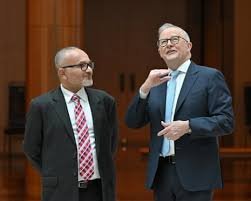
In a move that reshapes the geopolitical landscape of the Pacific, Prime Minister Anthony Albanese and Solomon Islands Prime Minister Matthew Wale have signed a sweeping new security treaty in Canberra. This agreement marks a definitive turn for the Solomon Islands, as the nation formally moves to establish Australia as its primary security partner, effectively limiting its ties with Beijing.
Prime Minister Wale was candid about the shift, stating that the era of the Solomon Islands being a “source of uncertainty and doubt” in the region is officially over. This treaty is not just a diplomatic gesture but a comprehensive strategic realignment designed to ensure regional stability.
The Financial Backbone of the Partnership
To solidify this bond, Australia has committed a massive investment package to support the development and security of the islands. The deal includes $740 million in new funding over the next decade, broken down as follows:
- n
- $670 million in direct grants.
- $70 million in strategic loans.
These funds, expected to begin flowing in January, are aimed at critical infrastructure, community development, and enhancing the local police force.
Ending Foreign Interference and Militarisation
One of the most significant clauses of the treaty is the strict prohibition of foreign military bases. The agreement ensures that the Solomon Islands will not allow the development of major security infrastructure by third parties on its territory.
Crucially, the pact mandates that sensitive systems remain free from militarisation and unauthorised foreign access. As part of this transition, Chinese police officers—approximately 14 of whom are currently posted in the country—are expected to depart by mid-2027.
Beyond Security: Investing in People and Future Growth
The partnership extends far beyond military and police cooperation. The Albanese government is focusing heavily on social mobility and education to ensure long-term prosperity for the Solomon Islands people:
- Education: Funding will target universal access to education from kindergarten to year 12, addressing a critical gap where currently one-third of children do not attend school.
- Labour Mobility: An expansion of the Pacific Australia Labour Mobility (PALM) scheme will allow citizens to work in Australia within the early childhood education and aged care sectors.
- Sports Development: Australia will increase its support for the Solomon Kings football club, investing in player development and athletic excellence.
Geopolitical Ripples: Australia vs. China
This treaty represents a major victory for Australia’s campaign to rebuild ties across the Pacific, coming shortly after the Solomon Islands terminated a landmark security pact with Beijing. While the Chinese foreign ministry maintains that its cooperation with Pacific nations is based on “mutual respect and equality” and not geopolitical rivalry, the departure of Chinese security personnel signals a clear shift in influence.
However, the deal is not without domestic friction in Australia. Some members of the Coalition have expressed concerns regarding language in the treaty concerning the transition to net zero carbon emissions by 2050, arguing that future governments should not be bound by foreign treaties regarding energy policy.
Final Thoughts
The new treaty between Australia and the Solomon Islands is more than a security agreement; it is a blueprint for a more integrated and stable Pacific. By combining financial investment with a respect for sovereignty, Australia is positioning itself as the partner of choice for nations seeking stability and growth in an increasingly complex global environment.
📰 You May Also Like