
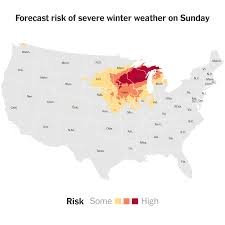
Winter is here, and with it comes the potential for severe snowstorms. Staying informed about the snow storm weather forecast is crucial for your safety and the safety of your community. This guide provides you with the latest information, resources, and tips to navigate the challenges posed by heavy snowfall.
Understanding the Current Snow Storm Weather Forecast
Currently, a significant winter storm is impacting [mention specific regions – e.g., the Northeast and Midwest]. The snow storm weather forecast predicts heavy snowfall, blizzard conditions, and dangerously low temperatures. The National Weather Service (https://www.weather.gov/) is issuing warnings and advisories, urging residents to take precautions. Key areas expected to be heavily affected include [list specific cities/states].
The intensity of the storm varies by location. Some areas are experiencing snowfall rates of up to [mention snowfall rate – e.g., 2-4 inches per hour], leading to rapid accumulation and reduced visibility. Wind gusts are also a major concern, potentially creating blizzard conditions with whiteout visibility. The storm is expected to continue through [mention timeframe – e.g., Tuesday evening], with gradual improvement expected on Wednesday.
Key Terms to Know: What Does the Forecast Mean?
- Winter Storm Warning: Issued when hazardous winter weather is occurring or imminent.
- Winter Storm Watch: Issued when conditions are favorable for a significant winter storm.
- Blizzard Warning: Issued when sustained winds of 35 mph or greater and considerable falling and/or blowing snow are expected to create visibility of ¼ mile or less for at least three hours.
- Snow Squall Warning: Issued when intense, short-duration snowfall is expected, accompanied by strong winds.
Safety Tips During a Snow Storm
Your safety is paramount during a snow storm weather forecast event. Here are some essential safety tips:
- Stay Indoors: The safest place to be during a severe snowstorm is indoors.
- Prepare an Emergency Kit: Include food, water, medications, a flashlight, and a battery-powered radio.
- Charge Devices: Ensure your cell phones and other essential devices are fully charged.
- Check on Neighbors: Especially those who are elderly or have disabilities.
- Avoid Travel: If travel is unavoidable, inform someone of your route and expected arrival time.
- Be Aware of Carbon Monoxide: Never use generators, grills, or other fuel-burning devices indoors.
Resources for Staying Updated
Stay informed with these reliable resources:
- National Weather Service
- AccuWeather
- The Weather Channel
- Local News Channels
The snow storm weather forecast is constantly evolving. Regularly check these sources for the latest updates and adjust your plans accordingly. Remember, preparedness is key to staying safe during winter weather events.



