
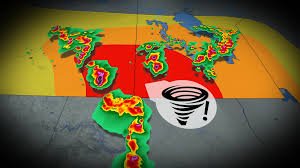
Severe Weather Alert: Tornado Potential and Explosive Storms Target Southern Prairies
Residents across the eastern Prairies should brace themselves as severe weather returns to southern Saskatchewan and Manitoba this Tuesday. Following an active weekend, atmospheric conditions are once again aligning to create a volatile environment, increasing the risk of dangerous thunderstorms and potential tornado development.
The Science Behind the Storm: Why Now?
Meteorologists are tracking a combination of high-risk factors that are priming the region for explosive storm growth. A negatively tilted trough over the Rockies, paired with a potent jet stream extending into Manitoba, is setting the stage for instability.
A surface low developing east of the Rockies in Montana is expected to track northeast, acting as the primary trigger. With high levels of CAPE (instability), ample moisture, and steep lapse rates, the atmosphere is essentially a powder keg waiting for a spark.
What to Expect: Hail, Supercells, and Wind
The forecast indicates a progression of threats as the system moves through the region:
- Tuesday Afternoon/Evening: High-based supercells are expected to form along the Saskatchewan-Manitoba border. These storms carry a significant risk of large to very large hail.
- Tuesday Night: As low-level wind shear strengthens, the potential for tornado formation increases, posing a serious threat to life and property.
- Overnight: Storms may consolidate into a mesoscale convective system (MCS), bringing damaging winds to urban centres, including Brandon and Winnipeg.
Essential Tornado Safety: How to Protect Yourself
When a tornado warning is issued, every second counts. Being prepared can make the difference between safety and disaster. Following guidelines from Environment Canada, here is what you need to do:
1. Find the Safest Shelter
Identify a safe room in your home well before the storm arrives. The gold standard for safety is an interior room on the lowest level of your building (such as a basement or a windowless bathroom). The goal is to place as many walls as possible between you and potential flying debris.
2. If You Are in a Vehicle
Never try to outrun a tornado. If a warning is issued while you are driving, pull over immediately and seek the nearest sturdy building. Avoid seeking shelter under highway overpasses, as these can act as wind tunnels.
3. Stay Informed and Powered Up
Keep your mobile devices fully charged to ensure you receive emergency alerts. Power outages are common during severe thunderstorms, and your phone is your primary lifeline for real-time updates. For more on emergency preparedness, visit the Canadian Red Cross.
Stay vigilant, monitor your local weather alerts closely, and prioritize your safety as these storms move through the Prairies.



