
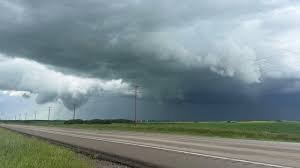
Severe Weather in Canada: Your Ultimate Guide to Staying Safe and Prepared
From bone-chilling blizzards in the Prairies to sudden flash floods in British Columbia and intense summer heatwaves in Ontario, Canada’s climate is as diverse as its landscape. When severe weather hits, being caught off guard can be dangerous. Whether you are a lifelong resident or new to the Great White North, having a solid plan is essential for your safety and the well-being of your family.
In this guide, we will explore the most common types of extreme weather in Canada and provide actionable steps to ensure you are ready for whatever the sky throws your way.
Common Types of Severe Weather in Canada
Canada experiences a wide array of weather extremes. Understanding these risks is the first step in preparation:
- n
- Winter Storms and Blizzards: Characterized by heavy snow, strong winds, and low visibility, these can lead to power outages and dangerous travel conditions.
- Heatwaves: Rising temperatures can cause heat exhaustion and heatstroke, especially in urban areas where the “heat island” effect is prevalent.
- Flash Floods: Heavy rainfall or rapid snowmelt can lead to sudden flooding, damaging homes and infrastructure.
- Tornadoes and Severe Thunderstorms: While less common than in the US Midwest, the “Tornado Alley” of Canada (Southern Ontario and the Prairies) sees significant activity during the summer.
Building Your Essential Emergency Kit
When severe weather strikes, you may lose power or be unable to leave your home for several days. A well-stocked emergency kit can be a lifesaver. We recommend having the following items readily available:
- Water: At least 4 litres of water per person per day for at least three days.
- Non-perishable Food: Canned goods, energy bars, and a manual can opener.
- Lighting: A high-quality flashlight and extra batteries (avoid candles to prevent fire hazards).
- First Aid: A complete kit including bandages, antiseptic, and a supply of essential prescription medications.
- Communication: A battery-powered or hand-crank radio to receive updates if the internet goes down.
- Warmth: Blankets, sleeping bags, and warm clothing for winter emergencies.
How to Stay Informed and Alert
Knowledge is your best defence against severe weather. In Canada, the primary source for official alerts is Environment and Climate Change Canada. They provide real-time warnings, watches, and advisories.
Key Terms to Know:
- Watch: Conditions are favourable for severe weather to develop. Stay alert.
- Warning: Severe weather is occurring or imminent. Take immediate action to protect yourself.
We highly recommend downloading local weather apps and enabling push notifications for emergency alerts on your mobile device.
Immediate Actions During an Event
Depending on the situation, your reaction must be swift. Here are a few quick tips for the most common scenarios:
During a Blizzard
Stay indoors. If you must travel, ensure your car has a winter survival kit. If you get stranded, stay in your vehicle and run the engine sparingly for heat, ensuring the exhaust pipe is clear of snow.
During a Heatwave
Hydrate constantly, stay in shaded or air-conditioned areas, and check on elderly neighbours or pets who may be more vulnerable to heat stress.
During a Tornado Warning
Move to the lowest level of your home, such as a basement. If you are in a building without a basement, go to an interior room on the lowest floor, away from windows.
Final Thoughts on Preparedness
While we cannot control the weather, we can control how we respond to it. Taking a few hours today to organize your emergency kit and review your family’s safety plan can make all the difference during a crisis. For more comprehensive disaster planning, visit the Canadian Red Cross.
Stay safe, stay informed, and always be prepared for the unpredictable nature of Canadian weather!



