
Severe Storms Hit Minnesota: Tracking Power Restoration via the Xcel Energy Outage Map
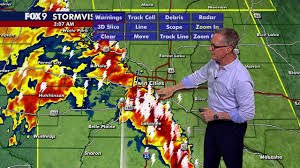
Minnesota residents woke up to a challenging Wednesday morning as a series of severe thunderstorms tore through the state overnight. From the Twin Cities metro to western and southern regions, the combination of heavy rain and violent wind gusts has left thousands of households in the dark.
The Impact: Wind Gusts and Power Failures
Meteorological reports indicate that a line of intense storms pushed into the Twin Cities metro area around 3 a.m., bringing thunder, lightning, and wind gusts exceeding 40 mph. In some areas, severe thunderstorm warnings cautioned residents about potential gusts topping 60 mph, which contributed significantly to electrical infrastructure damage.
According to the latest data, the impact was widespread. As of 5 a.m., approximately 579 separate outages were reported, affecting more than 52,000 Xcel Energy customers statewide. The storms primarily impacted central, southern, and western Minnesota, as well as parts of western Wisconsin.
How to Stay Informed: Using the Xcel Energy Outage Map
In times of severe weather, having access to real-time information is crucial. Xcel Energy provides a comprehensive digital tool to help customers manage these situations. The Xcel Energy outage map is the primary resource for residents to:
- n
- Track Restoration Efforts: See exactly where crews are working and the estimated time for power return.
- Report an Outage: Quickly notify the company if your power is out, ensuring your location is added to the restoration queue.
- Monitor Storm Progress: Identify which neighborhoods are most affected by the current weather patterns.
You can access the official tracking tool directly on the Xcel Energy website to get the most accurate, up-to-the-minute information regarding your specific address.
Xcel Energy’s Restoration Strategy
Xcel Energy stated that they had been monitoring the potential for severe weather since Tuesday. To ensure the fastest possible recovery for the community, the company has deployed crews with a specific prioritization strategy:
- Critical Infrastructure: Ensuring hospitals and emergency services are powered first.
- Large-Scale Outages: Prioritizing the repair of major lines that restore power to the greatest number of customers simultaneously.
- Individual Outages: Addressing smaller, localized failures once the main grid is stabilized.
For further updates on weather patterns and safety alerts, residents are encouraged to follow the National Weather Service (NWS) to stay ahead of any additional storm cells moving through the region.



