
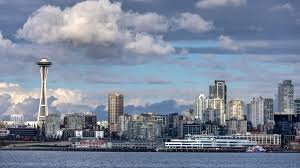
Seattle Weather: Brace Yourself for the Ultimate “Weather Whiplash”
If you live in the Pacific Northwest, you know that Seattle weather is famous for its unpredictability. One moment you’re reaching for the sunscreen, and the next, you’re digging your umbrella out of the closet. This week is no exception, as the city prepares for a dramatic shift in temperatures and conditions.
The Short-Term Forecast: From Heat to Humidity
After a stunning Tuesday that saw temperatures climb above 80 degrees, Seattleites are in for a wake-up call. The warmth is temporary, and a pattern of clouds and precipitation is moving in. Here is the breakdown of what to expect over the coming days:
- n
- Wednesday: Expect a transition to mostly cloudy skies with a high near 71°F. While the day stays mostly dry, clouds will increase overnight with a slight chance of rain after 4 a.m.
- Thursday: A mix of sun and clouds. There is a 20% chance of morning showers, with temperatures peaking around 68°F.
- Friday: The cooldown continues. Expect highs in the 60s and a 30% chance of rain starting late morning. Keep an eye on the sky Friday night, as thunderstorms are possible before 11 p.m.
- The Weekend: Saturday looks damp and cloudy with a high of 61°F and more potential for thunderstorms. However, there is a silver lining—Sunday is expected to be mostly sunny with a refreshing high of 67°F.
Looking Ahead: What NOAA Says About the Coming Seasons
While this week’s fluctuations are standard for the region, the long-term outlook is raising some eyebrows. According to the National Oceanic and Atmospheric Administration (NOAA), there is a significant probability that the Pacific Northwest will experience above-average temperatures for a prolonged period.
Meteorologist Scott Sistek, founder of The Emerald City Weather Blog, clarifies that while the NOAA maps aren’t a guarantee of specific temperatures, they indicate a 50-60% probability of warmer-than-average conditions stretching through the summer, fall, winter, and potentially into next spring.
Why This Matters: Wildfires and Snowpack
A warmer trend isn’t just about wearing fewer layers in December. Persistent high temperatures can have serious environmental consequences for Washington state:
- Wildfire Risk: Higher temperatures and drier soil can lead to a more severe and prolonged wildfire season.
- Water Security: A lack of consistent cold weather threatens the winter snowpack, which is crucial for the region’s water supply throughout the summer months.
For those who want to track these changes in real-time, the National Weather Service (NWS) provides updated local forecasts to help you plan your outdoor activities.
Pro Tip: In Seattle, the best way to handle the weather is to dress in layers. Whether it’s a sudden thunderstorm or a surprise heatwave, being prepared is the only way to survive the “Emerald City” climate!



