
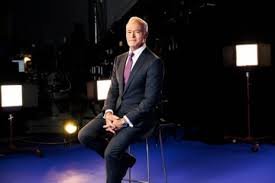
The Battle for the Soul of Journalism: Scott Pelley Slams CBS Leadership
In a shocking turn of events that has sent ripples through the media industry, veteran correspondent Scott Pelley has openly clashed with the management of CBS News. In what sources describe as a “heated meeting,” Pelley didn’t hold back, attacking the network’s recent decision to overhaul the legendary news magazine, 60 Minutes.
The tension reached a breaking point on Monday morning when Pelley confronted the network’s leadership regarding the abrupt termination of several key figures. The moves have sparked a wider conversation about the future of investigative journalism and whether corporate interests are silencing the truth.
A ‘Murder’ in the Newsroom
During a staff meeting involving newly appointed executive producer Nick Bilton and managing editor Charles Forelle, Pelley took direct aim at the network’s controversial editor-in-chief, Bari Weiss. In a scathing critique, Pelley allegedly stated:
“She’s murdering 60 Minutes. She does not love this place. She was brought in to kill it and is doing exactly that.”
While Forelle attempted to dismiss Pelley’s tone as “rude,” the veteran journalist countered by pointing to the network’s callous treatment of departing staff. The room, filled with 60 Minutes personnel, reportedly sided with Pelley, granting him a standing ovation in a rare show of internal defiance against corporate mandates.
The Purge: Who Was Let Go?
The turmoil follows a sweeping overhaul that saw the removal of several high-profile figures essential to the show’s operational success. Those ousted include:
- n
- Tanya Simon: The show’s executive producer.
- Sharyn Alfonsi: A seasoned correspondent.
- Cecilia Vega: A correspondent who joined the team in 2023.
- The show’s executive editor.
Censorship and Political Bias Allegations
The firings have led to blistering public statements from the affected journalists, raising alarms about editorial independence. Sharyn Alfonsi claimed that the “wall between editorial independence and corporate interest at CBS is being methodically torn down,” suggesting that journalists who challenge authority are being systematically replaced.
Similarly, Cecilia Vega highlighted a disturbing trend of political bias infiltrating the newsroom. She alleged that producing teams were pressured to alter stories and that many journalists now practice “self-driven censorship” out of fear of professional repercussions. Vega warned that such an environment is not only dangerous for the show but “dangerous for democracy.”
The Ghost of Mike Wallace
The conflict isn’t just about jobs; it’s about a legacy. Pelley has been vocal in his support for those challenging the current trajectory of the network. He recently praised Santiago Campos, an 18-year-old student who argued that the current direction of CBS “stains the legacy of Mike Wallace,” the iconic face of 60 Minutes.
As CBS News continues to deny these characterizations, the industry is left wondering: will Scott Pelley remain a pillar of the show, or is his outspoken nature marking him as the next target in the overhaul? One thing is certain—the battle over the courage and character of 60 Minutes is far from over.



