
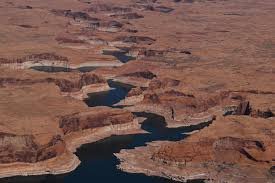
The Colorado River Crisis: A Race Against Time
For decades, the Colorado River has served as the lifeblood of the American West, providing essential water for millions of people and millions of acres of farmland. However, a combination of historic drought and rising temperatures has pushed the river to its breaking point. With reservoirs like Lake Mead and Lake Powell hitting alarmingly low levels, the urgency for a sustainable solution has never been greater.
To prevent a total systemic collapse, the U.S. government has implemented a comprehensive federal drought plan designed to balance the needs of seven basin states and Mexico while adapting to a new climatic reality.
Key Pillars of the Federal Drought Plan
The federal strategy, led primarily by the U.S. Bureau of Reclamation, isn’t just about temporary fixes; it’s about fundamental transformation. The plan focuses on several critical areas:
- Voluntary Water Reductions: Incentivizing states and agricultural producers to use less water through financial compensation.
- Infrastructure Modernization: Investing in smarter irrigation systems and wastewater recycling to minimize loss.
- Federal Funding: Utilizing billions of dollars from the Inflation Reduction Act to support conservation efforts and drought mitigation.
- Collaborative Management: Establishing strict guidelines for water withdrawals to ensure that reservoirs do not reach “dead pool” status, where water can no longer flow downstream.
The High Stakes: Agriculture vs. Urban Growth
One of the most challenging aspects of the federal drought plan for the Colorado River is the tug-of-war between different sectors. Agriculture consumes the vast majority of the river’s water, yet cities like Las Vegas, Phoenix, and Los Angeles are growing rapidly.
The federal government is now pushing for a shift toward climate-resilient agriculture. This includes transitioning from water-intensive crops (like alfalfa) to more sustainable alternatives, ensuring that the food supply remains stable without draining the river dry.
What Does the Future Hold?
The road to recovery is steep. Experts from the Environmental Protection Agency (EPA) warn that the “aridification” of the West is a long-term trend, not a temporary weather pattern. This means that the federal plan must evolve from crisis management to long-term adaptation.
Success will depend on the continued cooperation of the basin states and the willingness of policymakers to prioritize ecological health over short-term economic expansion. The Colorado River is a reminder that water is our most precious resource, and the federal plan is the blueprint for surviving a drier future.
Summary of Impact
| Focus Area | Goal |
|---|---|
| Reservoirs | Prevent Lake Mead/Powell from reaching critical lows. |
| Agriculture | Reduce water waste and transition to drought-resistant crops. |
| Urban Centers | Implement strict conservation and recycling mandates. |



