
Ryan Upchurch Faces $17.5 Million Defamation Verdict Over Controversial True Crime Video
In a staggering legal blow that has sent shockwaves through the digital content creation community, Nashville-based YouTuber Ryan Upchurch has been ordered to pay $17.5 million in a defamation lawsuit. The verdict follows a highly contentious trial centered on the intersection of online commentary, the “true crime” genre, and the legal limits of free speech.
The Heartbreaking Case of Kiely Rodni
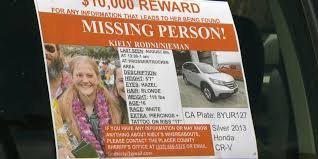
The roots of this legal battle trace back to August 2022 and the tragic disappearance of 16-year-old Kiely Rodni. After attending a party near the Tahoe National Forest in California, the teenager vanished, sparking a massive search operation. Heartbreakingly, her body was eventually discovered inside her SUV in a nearby lake.
Following a thorough investigation, authorities officially ruled her death an accident, stating clearly that there was no evidence of foul play. However, while the family was grappling with an unimaginable loss, the story took a dark turn on the internet.
From Content Creation to Courtroom: The Defamation Claim
The lawsuit was initiated in 2023 by Kiely’s father, Daniel Rodni, and her grandfather, David Robertson. They alleged that Ryan Upchurch used his platform to spread malicious falsehoods through a video titled “ZERO proof of Kiely Rodni situation being REAL.”
In the video, Upchurch suggested that the entire tragedy was fabricated and characterized the situation as a scam designed to illicitly raise funds via GoFundMe. For the grieving family, these claims were not just opinions—they were devastating attacks on their reputation during their most vulnerable moment.
Key Details of the Verdict:
- Total Award: $17.5 Million.
- Cause of Action: Defamation and intentional infliction of emotional distress.
- Central Issue: Whether viral true crime commentary crosses the line from protected opinion into actionable defamation.
The Clash Between Free Speech and Accountability
Following the jury’s decision, Upchurch’s legal counsel issued a statement emphasizing the importance of the First Amendment and the right to freedom of speech, arguing that such rights are fundamental to a free society.
While Upchurch expressed his heartfelt sympathy to the Rodni, Robertson, and Nieman families, requesting that they be allowed to heal in peace, he has declined to comment further on the specifics of the financial verdict.
What This Means for the True Crime Community
This case serves as a critical warning for influencers and true crime enthusiasts. While speculating on open cases is common, this verdict reinforces that factual accuracy matters. When a creator moves from asking questions to making baseless accusations of fraud or scams, they open themselves up to severe legal consequences.
As the digital landscape evolves, the balance between a creator’s right to express an opinion and a private citizen’s right to their reputation remains a pivotal legal battleground.



