
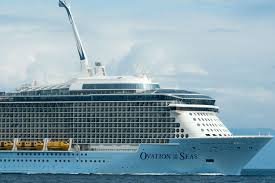
Royal Caribbean Whale Strike in Alaska: Balancing Luxury Cruises with Marine Conservation
Alaska is renowned for its breathtaking landscapes and magnificent wildlife, making it one of the most sought-after destinations for cruise enthusiasts. However, a recent incident involving a Royal Caribbean whale strike in Alaska has sparked a heated debate regarding the intersection of mass tourism and the protection of endangered marine species.
What Happened During the Incident?
The majestic waters of the Alaskan coast are home to various whale species, including the humpback and the endangered North Pacific right whale. In a distressing turn of events, a Royal Caribbean vessel was involved in a collision with a whale, an occurrence that serves as a stark reminder of the risks posed by massive cruise ships in wildlife-dense corridors.
While cruise lines employ advanced sonar and navigation systems, the sheer size of these vessels and the unpredictable nature of whale movements can sometimes lead to tragic encounters. This specific Royal Caribbean whale strike has put a spotlight on the necessity of stricter navigation protocols in sensitive ecological zones.
The Environmental Impact and Marine Protection
Whale strikes are not isolated incidents; they are part of a growing concern for marine biologists worldwide. The impact of a cruise ship collision can be fatal for the animal and disruptive to the local ecosystem. Organizations like the National Oceanic and Atmospheric Administration (NOAA) emphasize the importance of vessel speed reductions in critical habitats to prevent such tragedies.
Key Challenges in Preventing Whale Strikes:
- n
- Visibility: Whales may surface unexpectedly, leaving captains with very little time to react.
- Ship Size: The massive scale of modern cruise ships makes sudden maneuvers nearly impossible.
- Traffic Density: Alaska’s cruise corridors are heavily trafficked during the summer months, increasing the probability of encounters.
Royal Caribbean’s Commitment to Sustainability
In response to these challenges, Royal Caribbean has consistently highlighted its commitment to environmental stewardship. The company invests in sustainable technologies and adheres to international maritime regulations to minimize its footprint on the ocean.
However, critics argue that voluntary guidelines are not enough. There is a growing call for mandatory “slow-down zones” and enhanced real-time whale tracking systems to ensure that the beauty of Alaska remains preserved for future generations.
How Travelers Can Support Marine Conservation
As a passenger, you can play a role in promoting responsible tourism. Here are a few ways to ensure your voyage is as ethical as it is enjoyable:
- n
- Support Eco-Certified Tours: Choose excursions that follow strict wildlife viewing guidelines.
- Stay Informed: Learn about the species you are visiting and the threats they face.
- Advocate for Change: Encourage cruise lines to implement more rigorous animal protection protocols.
Conclusion: A Call for Coexistence
The Royal Caribbean whale strike in Alaska is a poignant reminder that our desire to explore the natural world must be balanced with a profound respect for its inhabitants. As the cruise industry continues to grow, the priority must shift toward a model of coexistence where luxury travel does not come at the cost of marine life.



