
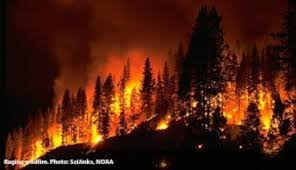
The phrase “Please enable JS and disable any ad blocker” is a frustrating message for anyone trying to access online content. However, today we’re addressing a far more serious warning: a Red Flag Warning. This isn’t a technical glitch; it’s a critical alert issued by the National Weather Service (NWS) indicating that conditions are ideal for wildfires to develop and spread rapidly. Understanding what a Red Flag Warning means, and how to prepare for it, can be the difference between safety and devastation.
What is a Red Flag Warning?
A Red Flag Warning is issued when a combination of weather conditions creates an elevated risk of wildfires. These conditions typically include:
- Strong Winds: Winds exceeding a certain threshold (often 25-35 mph) can quickly spread flames.
- Low Relative Humidity: Dry air allows vegetation to become highly flammable. Humidity levels below 15-25% are common during Red Flag Warnings.
- Dry Fuels: Dead grass, leaves, and trees act as fuel for fires. Prolonged drought conditions exacerbate this risk.
- Unstable Atmosphere: Atmospheric instability can lead to dry lightning, another ignition source.
It’s important to note that a Red Flag Warning doesn’t mean a wildfire *will* occur, but it signifies that the risk is significantly elevated. It’s a call to action to be extra vigilant and prepared.
Fire Weather: The Science Behind the Warning
“Fire weather” is a specific branch of meteorology focused on the relationship between weather and wildfire behavior. Meteorologists analyze various atmospheric factors to predict fire danger. The National Fire Danger Rating System (NFDRS) is a complex system used to assess fire risk across the country. You can learn more about NFDRS from the National Interagency Fire Center (NIFC).
How to Prepare for a Red Flag Warning
When a Red Flag Warning is issued for your area, take these steps to protect yourself and your property:
- Be Extremely Careful with Fire: Avoid any activities that could spark a fire, such as outdoor burning, welding, or using equipment that creates sparks.
- Secure Outdoor Items: Bring in or secure any loose objects that could be blown around by strong winds and potentially ignite.
- Clear Vegetation: Maintain a defensible space around your home by removing dry vegetation and debris.
- Have an Evacuation Plan: Know your evacuation routes and have a go-bag ready with essential supplies.
- Stay Informed: Monitor weather updates and official alerts from the NWS and local authorities. The National Weather Service website is an excellent resource.
Remember, prevention is key. A small spark can quickly escalate into a devastating wildfire under Red Flag Warning conditions. Stay vigilant, stay informed, and stay safe.



