
Power Outage Near Me: Your Complete Guide to Tracking and Managing Blackouts in Canada
There is nothing quite as frustrating as the sudden plunge into darkness when you are in the middle of a task or relaxing at home. When the lights go out, the first thing most of us do is reach for our phones and search for “power outage near me” to understand if it is just our house or a widespread neighborhood issue.
Whether you are dealing with a winter storm in Ontario, a summer heatwave in British Columbia, or unexpected maintenance in Quebec, knowing how to find real-time information is key to staying safe and informed.
How to Quickly Find Power Outages Near You
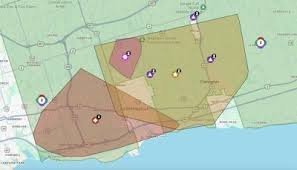
In Canada, electricity is managed by provincial and regional utilities. To get the most accurate information about a power outage near you, your best bet is to visit the official outage map of your local provider.
- n
- Ontario: Check the Hydro One Outage Map for widespread regional updates.
- British Columbia: Visit BC Hydro for real-time tracking and restoration estimates.
- Quebec: Use the Hydro-Québec Outage Map for detailed status updates.
If you cannot access these maps, check local community social media groups or news outlets, as they often report localized blackouts faster than official portals during extreme weather events.
Immediate Steps to Take During a Blackout
Once you have confirmed there is a power outage near you, follow these essential steps to protect your home and appliances:
- Check Your Circuit Breaker: Ensure the outage isn’t just a tripped breaker in your own electrical panel.
- Unplug Sensitive Electronics: Power surges can occur when electricity is restored, which can damage computers, televisions, and gaming consoles.
- Keep the Fridge and Freezer Closed: An unopened refrigerator will keep food cold for about 4 hours; a full freezer can maintain its temperature for up to 48 hours.
- Use Flashlights, Not Candles: To prevent fire hazards, avoid using candles. LED lanterns and flashlights are the safest options.
Preparing Your Emergency Kit for the Canadian Climate
Given Canada’s unpredictable weather, being prepared for a prolonged power outage is not just a convenience—it’s a necessity. According to Get Prepared Canada, every household should have an emergency kit.
Your kit should include:
- Lighting: Extra batteries and a crank-powered flashlight.
- Warmth: Heavy blankets, sleeping bags, and warm clothing (especially for winter outages).
- Food & Water: Non-perishable food and at least 2 litres of water per person per day.
- Communication: A battery-powered or hand-crank radio to listen to emergency broadcasts.
- Power: Fully charged power banks for your mobile devices.
Reporting an Outage: Why It Matters
If your neighbors have power but you don’t, or if you see a downed power line, do not assume the utility company already knows. Reporting the power outage near you helps technicians pinpoint the exact location of the fault and speeds up the restoration process.
Warning: Always stay at least 10 metres (33 feet) away from downed power lines and call your local emergency services or utility provider immediately. Never attempt to move a fallen wire yourself.
Final Thoughts
While we rely heavily on the grid, power outages are an inevitable part of living in a vast and weather-prone country like Canada. By knowing where to find the outage maps and keeping a basic emergency kit ready, you can turn a stressful blackout into a manageable inconvenience.



