
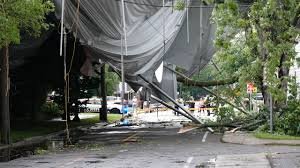
Dealing With a Power Outage Near Me: Your Complete Guide to Staying Informed and Safe
There is nothing quite as frustrating as the sudden plunge into darkness. Whether it is caused by a severe winter storm, equipment failure, or planned maintenance, searching for “power outage near me” is often the first instinct when the lights go out. But once you’ve confirmed the power is gone, what are the next steps?
In Canada, our electrical grids face extreme weather conditions that can lead to unexpected blackouts. Knowing how to navigate these situations can make the difference between a stressful evening and a well-managed inconvenience.
How to Quickly Check for Power Outages in Your Area
When you lose power, the first goal is to determine if the issue is isolated to your home or if it is a wider grid failure. Here is the most efficient way to find out:
- Check Your Circuit Breaker: Before searching for external outages, ensure a fuse hasn’t simply blown in your own electrical panel.
- Use Official Outage Maps: Most Canadian utility providers (such as Hydro One or BC Hydro) provide real-time digital maps. These maps show the extent of the outage and provide estimated restoration times.
- Social Media Updates: Local utility companies often post rapid updates on X (formerly Twitter) or Facebook regarding major storm-related failures.
- Neighbourhood Check: A quick look outside to see if streetlights or neighbouring houses are dark is often the fastest indicator.
Essential Safety Tips During a Blackout
Safety should always be your priority when the electricity fails. Follow these guidelines to protect your family and your property:
1. Keep the Fridge and Freezer Closed
One of the biggest concerns during a power outage near me is food spoilage. An unopened refrigerator will keep food cold for about 4 hours, while a full freezer can maintain its temperature for 48 hours if the door remains shut.
2. Use Lighting Carefully
Avoid using candles if possible, as they pose a significant fire risk. Instead, rely on LED flashlights or battery-powered lanterns. If you use a generator, never run it indoors or in a garage due to the risk of carbon monoxide poisoning.
3. Unplug Sensitive Electronics
When power is restored, a “surge’ can occur, potentially damaging computers, televisions, and kitchen appliances. Unplugging these devices protects them from voltage spikes.
Building Your Canadian Emergency Power Kit
Being prepared means you won’t have to panic the next time you search for outage information. According to Get Prepared Canada, every household should have a basic emergency kit. We recommend including:
- Portable Power Banks: Keep your smartphone charged to stay updated on restoration news.
- Non-Perishable Food: Canned goods and energy bars that don’t require cooking.
- Manual Can Opener: A small tool that becomes essential during a blackout.
- First Aid Kit: Including essential medications and bandages.
- Warm Clothing: Especially critical during Canadian winters to prevent hypothermia.
Conclusion
While we cannot always prevent a power outage near me, we can certainly control how we respond to one. By staying informed through official utility maps and keeping a well-stocked emergency kit, you can ensure that your home remains a safe haven until the lights come back on.



