
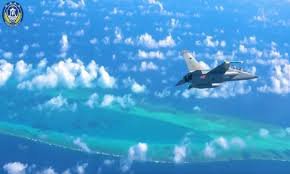
PLA Southern Theater Command: Strategic Naval Patrols and the Evolving Role of the Coast Guard
In an era of increasing maritime tension, the activities of the People’s Liberation Army (PLA) Southern Theater Command (STC) have come under intense global scrutiny. Recent reports highlight a series of coordinated readiness patrols involving both naval and air units, signaling a robust commitment to regional dominance and security.
The Surge in Readiness Patrols
According to reports from military observers and diplomatic sources, the PLA Southern Theater Command has intensified its operational tempo. These patrols are not merely routine exercises; they are carefully timed demonstrations of force designed to test response times and assert territorial claims.
Key aspects of these operations include:
- n
- Joint Integration: The seamless coordination between naval fleets and air superiority units.
- Strategic Timing: Patrols conducted on critical dates to send diplomatic signals.
- Readiness Assessment: Constant evaluation of the STC’s ability to deploy rapidly in contested waters.
The Intersection of Naval Power and Coast Guard Operations
While the PLA Navy handles high-intensity military deterrence, the coast guard plays a pivotal role in “grey zone” tactics. By integrating naval readiness with coast guard patrols, the STC can maintain a persistent presence in disputed areas without necessarily escalating to full-scale military conflict.
The synergy between the navy and the coast guard allows for a flexible response to maritime challenges, ranging from fisheries enforcement to countering foreign naval incursions. This hybrid approach is central to the current maritime strategy in the South China Sea.
Why This Matters for Global Security
The escalation of patrols by the PLA Southern Theater Command has significant implications for international trade and maritime law. Most of the world’s shipping passes through these waters, making stability a priority for nations worldwide, including Canada.
To understand the legal framework governing these waters, it is essential to look at the United Nations Convention on the Law of the Sea (UNCLOS), which provides the international standard for maritime boundaries and the rights of various coast guard and naval entities.
Final Thoughts
As the PLA Southern Theater Command continues its readiness patrols, the balance of power in the region remains precarious. The interplay between formal naval strength and the strategic deployment of the coast guard will likely define the geopolitical landscape of the Pacific for years to come.
Stay tuned for more updates on global security and maritime diplomacy.



