
Is Mountain Rescue Still Possible in Phoenix? Everything You Need to Know About Firebird 10
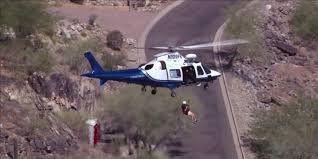
For many hikers traversing the rugged peaks surrounding the Phoenix area, the sight of a rescue helicopter is a symbol of hope and a literal lifeline. However, the city’s primary hoist-capable aircraft, Firebird 10, is currently taking a mandatory break. The Phoenix Fire Department has announced that this critical asset will be out of service for essential maintenance from August through October.
Why is Firebird 10 Grounded?
Like any high-performance machinery, aviation assets require rigorous upkeep to ensure the safety of both the crew and the people they rescue. According to Phoenix Fire Captain D.J. Lee, the helicopter must undergo specialized maintenance by an out-of-state vendor once it reaches a specific number of flight hours. This ensures the aircraft remains “up to par” and fully capable of handling the extreme demands of mountain extractions.
Can You Still Get Help? The “Toolbox” Approach to Rescue
The most pressing question for outdoor enthusiasts is: Will rescue capabilities be diminished? The short answer is no.
Captain Lee emphasizes that while the hoist is a powerful tool, it is only one part of a comprehensive rescue strategy. The Phoenix Fire Department utilizes a “toolbox” approach, meaning their technicians are trained in multiple avenues of rescue. If a hoist isn’t available, the team employs alternative strategies, including:
- n
- Ground Extraction: Highly trained rescue technicians capable of navigating difficult terrain on foot.
- Aerial Support: Other Phoenix Police helicopters can still be used to shuttle crews closer to a patient or deliver emergency supplies to lost hikers.
- Strategic Partnerships: In cases where a vertical extraction is absolutely necessary, the city has established protocols with the Maricopa County Sheriff’s Office (MCSO) and the Arizona Department of Public Safety (DPS), both of whom operate hoist-capable aircraft.
A Real-World Example: The Rescue of Glen Keane
The importance of these services was recently highlighted during the rescue of Academy Award-winning animator Glen Keane. After becoming ill while hiking Mummy Mountain in Paradise Valley, Keane was airlifted to safety. Reflecting on the experience, Keane described the rescue as a “blessing,” noting the bravery of the crew working on the “razor’s edge” of the narrow mountain ledges.
Crucial Safety Warning: Beating the Heat
While the city is prepared for emergencies, the best rescue is the one that never has to happen. With temperatures frequently soaring, officials are issuing a stern warning to the public.
“When it’s over 100 degrees, stay off the mountains, find a different way to get your exercise in,” advises Captain Lee.
It is important to remember that even when the helicopter is operational, extreme heat (above 115 degrees) can make it impossible for Firebird 10 to fly, making ground-based preparedness and personal safety paramount.
Tips for Safe Hiking in Extreme Weather
To ensure your next adventure doesn’t end in an emergency call, consider these safety tips from the National Park Service:
- n
- Hydrate Aggressively: Drink more water than you think you need.
- Start Early: Complete your hike before the midday sun hits its peak.
- Tell Someone Your Plan: Always leave your itinerary with a friend or family member.
- Know Your Limits: If you feel dizzy or nauseous, turn back immediately.
Whether you are a local or visiting the stunning landscapes of Arizona, remember that safety comes first. While the Phoenix rescue system remains robust and fully capable, your best tool for survival is preparation.



