
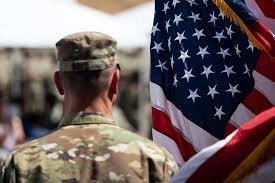
The Human Cost of Conflict: US-Iran Hostilities Resume with Heavy Toll
The geopolitical tension in the Middle East has reached a breaking point. Following the collapse of a fragile ceasefire, the United States has seen a tragic increase in casualties, sparking a fierce national debate over military intervention and leadership. As figures like Pete Hegseth and other military analysts continue to weigh in on the necessity of American strength abroad, the reality on the ground is becoming increasingly grim.
Tragedy in the Field: Three American Heroes Lost
The U.S. Central Command (CENTCOM) recently confirmed the deaths of three service members in a series of violent escalations. The losses highlight the volatility of the current theater of operations:
- Northern Iraq: One service member was killed in action during a controlled detonation of unexploded ordnance from a downed Iranian attack drone.
- Jordan: Two service members were lost while defending against Iranian ballistic missile and drone attacks at the Muwaffaq Salti Air Base.
The Pentagon has identified two of the fallen as 1st Lt. Tyler James Feehan, 25, of Hawaii, and Pvt. Isabella Gonzales, 19, of Texas. Their deaths have become the catalyst for a deeper conversation about the risks faced by troops in what some are calling a “war of choice.”
Trump’s “Patriot” Narrative vs. Political Backlash
President Donald Trump has responded to the tragedy by framing the conflict as a matter of honor and national strength. Speaking at Joint Base Andrews, Trump praised the fallen soldiers as “great patriots,” asserting that the latest U.S. strikes against Iran were carried out specifically to honor their sacrifice.
However, this stance has met stiff resistance from Democratic lawmakers. House Minority Leader Hakeem Jeffries described the situation as a “reckless and costly war,” arguing that American heroes are being needlessly put in harm’s way. This ideological divide mirrors the broader national conversation often championed by commentators like Pete Hegseth, who frequently discuss the balance between decisive military action and strategic overreach.
A Nation Divided: The War Powers Act and Public Opinion
The conflict is not only being fought on the battlefield but also in the halls of Congress. Lawmakers are utilizing every legislative tool to curb the escalation:
- War Powers Act: Both the House and Senate have passed resolutions to restrict the President’s ability to continue the war.
- Legislative Blockades: Democrats have blocked annual defense policy bills as a means of protesting the renewed hostilities.
- Public Sentiment: A poll by The Economist and YouGov revealed that 57% of American adults believe the decision to enter this conflict was a mistake.
The Path Forward: Diplomacy or Escalation?
With the collapse of the June 17 Memorandum of Understanding and the subsequent strikes in the Strait of Hormuz, the region remains in a state of high instability. Senator Chris Murphy has warned that the scale of attacks is increasing rapidly, suggesting a loss of control over the conflict’s trajectory.
As the U.S. continues to navigate this complex landscape, the debate remains: is a policy of maximum pressure the only way to ensure security, or is it time for a negotiated peace to prevent further loss of life? For those following the insights of Pete Hegseth and other defense experts, the answer lies in the ability of the U.S. to project power without sacrificing its most valuable asset—its soldiers.



