
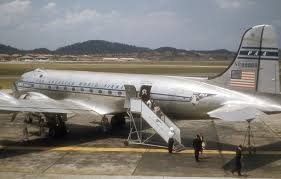
The Ghost of the Atlantic: Rediscovering the Pan Am ‘Clipper Endeavor’
For over seven decades, the wreckage of Pan Am Flight 526A, affectionately known as the “Easter Special,” rested in the silent depths of the Atlantic Ocean. It was a tragedy that scarred the coast of Puerto Rico and left families searching for closure for generations. Recently, the mystery took a turn when an aviation search team, featuring the Discovery Channel’s Expedition Unknown, located the aircraft 2,000 feet below the surface.
But this is more than just a story of a sunken plane; it is a narrative of love, survival, and a legacy of safety that every single person who flies today benefits from.
A Good Friday Tragedy: What Happened in 1952?
On April 11, 1952, a Douglas DC-4 took off from San Juan bound for New York. On board were 64 passengers and five crew members, many of them part of the “Great Migration” of Puerto Ricans seeking new lives in the United States.
The journey turned catastrophic just nine minutes after takeoff. Two engines failed, forcing Captain John Burn to ditch the aircraft in shark-infested, turbulent waters. While the initial impact was survived by most, the chaos that followed was deadly. In a matter of minutes, the plane sank, claiming 52 lives and leaving only 17 survivors.
Love Letters and Miracles Amidst the Chaos
Among the survivors was Gloria Rosario, a young bride traveling to join her husband in New York. In a poetic turn of events, a rescue doctor found a soaked but legible letter floating in the water—a message from Gloria’s husband, praying for her safety and telling her not to fear the flight.
The crash also highlighted extraordinary acts of courage. Novetah Davenport, a pioneer aviator, managed to escape the sinking vessel and pull a two-year-old boy, Mark Van Daalen, from the waves. This act of bravery became a local legend, eventually inspiring a song by composer Rafael Hernandez titled “The Good Friday Tragedy.”
How Pan Am Flight 526A Changed Aviation Forever
The most enduring legacy of this tragedy is found in every modern flight. During the investigation, it was revealed that the confusion during the evacuation was largely due to a lack of communication. Passengers didn’t know where the life vests were or how to use them, and language barriers exacerbated the panic.
This disaster became a catalyst for the Federal Aviation Administration (FAA) and global aviation bodies to implement mandatory preflight safety briefings. Today, the routine demonstration of emergency exits and life jacket usage is a direct result of the lessons learned from the lives lost on Flight 526A.
Closing the Circle: The Discovery of the Wreckage
The recent discovery of the “Clipper Endeavor” using autonomous underwater drones has provided a sense of closure for the descendants of the victims. While there are no plans to recover the wreckage—as the site is considered a grave—the discovery ensures that the victims are no longer “lost” to history.
- Flight: Pan Am Flight 526A (Douglas DC-4)
- Date: April 11, 1952
- Location: Northwest of San Juan, Puerto Rico
- Casualties: 52 deceased, 17 survivors
- Major Impact: Standardized preflight safety briefings worldwide
As we look back at the history of Pan Am and its role in the golden age of aviation, the story of Flight 526A reminds us that progress often comes from tragedy. The next time you hear the flight attendant explain the emergency exits, remember the survivors and the lost souls of the Easter Special.
For more on the exploration of this site, keep an eye out for the upcoming episode of Expedition Unknown on the Discovery Channel.



