Orionids Meteor Shower: How, When, and Where to Watch the Spectacular Sky Show
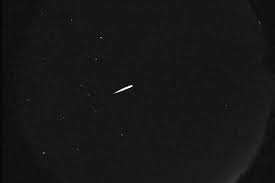
Every autumn, skywatchers around the globe prepare their lawn chairs and thermoses for one of the most beloved celestial spectacles of the year: the Orionids meteor shower. Known for its blisteringly fast meteors and brilliant fireballs, this autumn display offers stargazers a direct connection to one of history’s most legendary cosmic travelers.
What Is the Orionids Meteor Shower?
The Orionids meteor shower occurs annually when Earth plows through the stream of cosmic debris left behind by Halley’s Comet (1P/Halley). As these tiny fragments of dust and rock slam into Earth’s upper atmosphere at an astonishing speed of roughly 41 miles per second (66 km/s), friction incinerates them, creating vivid streaks of light across the night sky.
According to NASA Science, the Orionids are renowned for producing exceptionally bright meteors that frequently leave persistent trains—glowing ionization trails that can linger in the sky for several seconds after the meteor itself has vanished.
When Is the Best Time to Watch the Orionids?
The Orionid shower typically runs from late September through late November, but the real action happens during its peak window:
- Peak Dates: Late night October 20 into the early morning hours of October 22.
- Peak Rates: Under pristine, dark sky conditions, observers can anticipate seeing between 15 to 20 meteors per hour.
- Prime Hours: The sweet spot for viewing is usually between 2:00 a.m. and sunrise local time, when the shower’s radiant point sits highest in the sky.
Where to Look in the Night Sky
The shower is named after the constellation Orion the Hunter because the meteors appear to originate—or radiate—from an area just north of Orion’s prominent, bright star, Betelgeuse. However, seasoned astronomers recommend that you do not stare directly at the radiant point. Meteors that appear closer to Orion will have shorter trails due to perspective foreshortening. To catch the longest and most dramatic streaks, aim your gaze 45 to 90 degrees away from the radiant point.
Top Tips for the Ultimate Orionids Viewing Experience
You don’t need high-end telescopes or fancy equipment to enjoy the show. In fact, standard optical gear will only restrict your field of view. Follow these tips documented by the American Meteor Society to maximize your meteor counts:
- Escape Light Pollution: Head away from urban glow into national parks, rural countryside, or certified dark-sky reserves.
- Check the Lunar Phase: A bright moon can wash out fainter meteors. Try positioning yourself with your back to the moon or observing during moonset intervals.
- Let Your Eyes Adapt: Give your vision at least 20 to 30 minutes in total darkness to adapt. Avoid checking your smartphone, as blue screen light ruins your night-adjusted eyesight immediately.
- Dress for the Cold: October nights can get chilly. Bring thermal blankets, sleeping bags, and warm beverages to remain comfortable while lying flat on a reclining camp chair.
A Direct Connection to Halley’s Comet
While Halley’s Comet itself will not return to the inner solar system until 2061, the Orionids (along with May’s Eta Aquariids) serve as an annual reminder of its enduring legacy. Each streak you spot in the pre-dawn sky is a millennia-old relic of the solar system’s most famous comet burning up in a blaze of glory.
Mark your calendar, check your local forecast for clear skies, and step outside to experience one of nature’s greatest autumn light shows.
📰 You May Also Like