
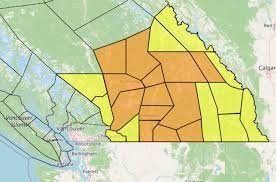
Understanding the Orange Warning: What Does an Air Quality Alert Actually Mean?
If you have recently seen an orange warning for air quality on your weather app or local news, you might be wondering how much it actually affects your daily routine. In Canada, air quality alerts are crucial tools used to communicate the risk associated with pollution, smog, or wildfire smoke.
An “orange” status typically signifies a High Risk level on the Air Quality Health Index (AQHI). This means that the air contains pollutants that can trigger health issues, particularly for those who are more vulnerable.
Who is Most at Risk During an Air Quality Warning?
While poor air quality can affect anyone, certain “sensitive groups” need to take extra precautions when an orange warning is in effect. These include:
- n
- Individuals with respiratory conditions: People with asthma, COPD, or chronic bronchitis.
- Children and Teens: Their lungs are still developing, and they often breathe more air per pound of body weight than adults.
- The Elderly: Older adults may have weakened immune systems or underlying heart and lung conditions.
- Outdoor Workers: Those spending extended hours outside are exposed to higher concentrations of pollutants.
Practical Tips to Protect Your Health
When the air quality reaches the orange threshold, it is recommended to modify your activities to minimize exposure. Here are some effective strategies:
- Reduce Strenuous Outdoor Activity: Avoid heavy exercise, such as jogging or cycling, outdoors. If you must exercise, consider moving your workout indoors.
- Keep Windows Closed: Prevent outdoor pollutants and smoke from entering your home or office.
- Use Air Purifiers: A HEPA filter can significantly reduce the amount of particulate matter inside your living space.
- Monitor Official Sources: Keep a close eye on Environment and Climate Change Canada for real-time updates and health advice.
Why Air Quality Fluctuates
Several factors contribute to an orange warning. In urban areas, this is often due to nitrogen dioxide and ground-level ozone caused by vehicle emissions and industrial activity. However, in recent years, Canada has seen a rise in air quality alerts due to wildfire smoke, which can travel thousands of kilometres and spike particulate matter levels (PM2.5) instantly.
Conclusion
Staying informed is your best defense. An air quality orange warning is not a reason to panic, but it is a clear signal to be mindful of your health and the health of your loved ones. By making small adjustments to your day, you can ensure that you breathe cleaner air and protect your long-term respiratory wellness.



