
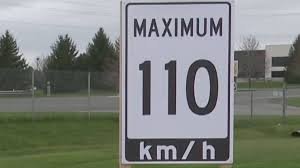
Ontario Shifts Gears: Major Highways Moving to 110 km/h Speed Limits
Drivers across Ontario are seeing a change in the pace of their commutes. The provincial government, through the Ministry of Transportation, has announced a strategic increase in speed limits on several major highway corridors, raising the limit from 100 km/h to 110 km/h. This move is part of a broader initiative that began in 2022 to modernize road speeds and align them with traffic flow patterns.
Which Highways are Affected?
The rollout of these speed increases is happening in stages. If you frequently travel across the province, take note of the following schedule:
- n
- Immediately Active: Sections of Highway 401 and Highway 416 have already transitioned to 110 km/h.
- Late July: Portions of Highway 402 are scheduled for the increase.
- Mid-August: A wider array of routes, including Highways 7, 417, 115, and 400, will see their limits raised.
The Stunt Driving Threshold: What You Need to Know
One of the most critical questions for motorists is whether this change affects speeding tickets and legal penalties. The government has clarified that the stunt driving threshold remains unchanged.
In Ontario, stunt driving charges are typically triggered when a driver exceeds the posted limit by 50 km/h. However, for these specific updated sections, the threshold is set firmly at 150 km/h. This means that even with the increase to 110 km/h, hitting the 150 km/h mark will still result in severe penalties, including potential license suspension and vehicle impoundment.
The Great Debate: Efficiency vs. Safety
While the government views this as a necessary adjustment for modern traffic, the move has sparked significant debate among Ontario residents. Many commuters express concerns regarding road safety, particularly on corridors like Highway 35/115, which some argue are already prone to accidents.
Environmental advocates and cautious drivers also point out the hidden costs of higher speeds, such as:
- Increased Fuel Consumption: Higher speeds lead to lower fuel efficiency, impacting the pockets of daily commuters.
- Environmental Impact: Increased carbon emissions contribute to a higher pollution footprint.
- Stress and Safety: Faster traffic flows can increase driver stress and reduce reaction times in the event of an emergency.
As Ontario continues to expand its infrastructure and manage growing commuter distances due to housing affordability challenges, the balance between travel efficiency and public safety remains a pivotal point of discussion at Queen’s Park.
Final Tips for Ontario Drivers
Whether you are embracing the faster pace or sticking to a more conservative speed for safety and economy, always remember to stay alert. Check for updated signage and ensure your vehicle is maintained for higher-speed travel to ensure a safe journey for everyone on the road.



