
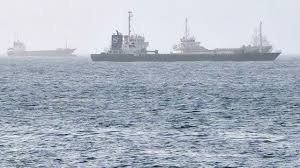
Oil Tanker Blast in Strait of Hormuz: Maritime Security Under Threat
The strategic waters of the Strait of Hormuz have once again become a flashpoint of international tension. Reports indicate that an oil tanker exploded after colliding with a naval mine, raising immediate alarms regarding the safety of global energy shipments and maritime navigation in one of the world’s most critical waterways.
The Incident: A Naval Mine Explosion
According to the Tasnim news agency, which is linked to Iran’s Islamic Revolutionary Guard Corps (IRGC), the explosion occurred after the vessel allegedly deviated from the designated shipping route established by Iranian authorities. While the blast caused significant damage, official statements from the Iranian government have remained scarce, leaving the international community to piece together the details of the event.
The Strait of Hormuz is a narrow choke point that handles a massive portion of the world’s petroleum exports. Any instability in this region can lead to immediate volatility in global oil prices and disrupt supply chains worldwide.
Diplomatic Efforts and the Oman Proposal
Amidst the chaos, diplomatic channels remain open. Oman, acting as a mediator, has been working closely with Iran to find a sustainable solution for navigation through the strait. Sources suggest that some progress has been made, though a final agreement remains elusive.
To mitigate future risks, Oman has proposed the creation of a regional maritime consortium. This initiative would focus on several key pillars of security:
- n
- Maritime Security: Enhanced monitoring and patrolling to prevent accidents and attacks.
- Search-and-Rescue (SAR): Coordinated efforts to respond rapidly to emergencies at sea.
- Regional Cooperation: A framework for transparency and communication between neighboring naval forces.
The Conflict: Voluntary vs. Mandatory Payments
Despite the proposal, a significant deadlock persists. The core of the disagreement lies in the funding of these security operations. While Oman suggests that participation and payments should be voluntary, Iran has pushed for a mandatory payment system.
Tehran argues that without mandatory contributions, the costs of securing the strait cannot be covered, suggesting that vessels failing to comply could be barred from transiting the waterway. This stance has created a diplomatic stalemate, as international shipping companies are unlikely to agree to what could be perceived as a “transit tax.”
Why This Matters for Global Trade
The safety of every oil tanker passing through the Strait of Hormuz is vital for global economic stability. When naval mines and geopolitical threats enter the equation, insurance premiums for shipping skyrocket, and energy security is compromised.
For further information on international maritime laws and safety standards, you can visit the International Maritime Organization (IMO), the UN agency responsible for the safety and security of shipping.
As the situation evolves, the world watches to see if diplomacy will prevail or if the waters of the Strait of Hormuz will remain a dangerous gamble for the global economy.



