October Full Moon 2026: Your Guide to Witnessing the Spectacular Hunter’s Moon
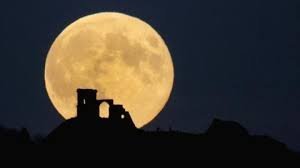
Get Ready for the October Full Moon 2026: The Hunter’s Moon Arrives
Prepare your telescopes and clear your schedules! The night sky is about to put on a breathtaking show. The October Full Moon 2026, famously known as the Hunter’s Moon, is set to illuminate the horizon this weekend, offering a magical experience for stargazers across the globe.
This particular lunar event marks the 11th full moon of 2026. While it is a stunning sight on its own, it also serves as the grand opening act for an incredible streak of four consecutive supermoons that will follow in the coming months.
When and How to See the Hunter’s Moon
If you want to catch a glimpse of this celestial beauty, mark your calendars for Sunday, October 25, and Monday, October 26. While the moon will officially reach its peak fullness at 04:11 GMT on Monday, it will appear full to the naked eye on both nights, giving you two chances to witness the spectacle.
The moon will rise in the east shortly after 16:00 GMT on Sunday and will set toward the west between 07:00 and 08:00 GMT on Monday. We recommend checking your local weather forecast to ensure clear skies for the best viewing experience.
The Science Behind the Glow: Syzygy and Illusions
Ever wondered why the moon looks so different during certain phases? The moment of peak fullness is known as syzygy. This occurs when the Sun, Earth, and Moon are perfectly aligned, with the Earth situated between the other two, allowing the Sun to illuminate the entire Earth-facing side of the lunar surface.
You might also notice some fascinating visual phenomena during the October Full Moon 2026:
- n
- The Reddish Hue: When the moon is low on the horizon, it often appears orange or red. This happens because short-wavelength blue light is scattered by the atmosphere, leaving only the longer-wavelength red and orange colours to reach your eyes.
- The Moon Illusion: Have you ever noticed the moon looks massive when it’s near buildings or trees? This is a psychological trick called the “Moon Illusion,” where our brains perceive the moon as larger when compared to terrestrial objects on the horizon.
More Than Just the Moon: The Orionid Meteor Shower
If you’re already heading outside to see the Hunter’s Moon, keep an eye out for shooting stars! The Orionid meteor shower will be active around the same time. While the bright light of the full moon might obscure some of the smaller meteors, a bit of patience will allow your eyes to adjust, potentially rewarding you with a glimpse of these cosmic travellers.
Why is it Called the “Hunter’s Moon”?
Lunar names often reflect the natural cycles of the Earth. Many of the names we use today originate from Native American cultures. The term Hunter’s Moon refers to the time of year when hunters were most active, utilizing the extended moonlight to prepare for the harsh, dark winter months ahead.
Looking Ahead: A Season of Supermoons
The excitement doesn’t end in October. If you miss this event, or if the weather doesn’t cooperate, a series of supermoons (when the moon is at its closest point to Earth) is coming:
- n
- November 24: The Beaver Supermoon.
- December 24: The Cold Supermoon (perfect for Christmas Eve!).
- January & February 2027: The supermoon streak continues into the new year.
For more precise tracking of lunar phases and celestial events, you can visit high-authority resources like NASA’s Moon Portal or Time and Date to get exact timings for your specific location.
Pro Tip: To get the most out of your stargazing, move away from city lights to a darker area and give your eyes about 20 minutes to adjust to the darkness!
📰 You May Also Like