
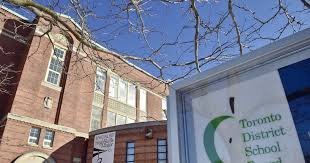
Navigating the Crisis: Toronto District School Board and the Fight for Financial Stability
The landscape of public education in Ontario is currently facing a period of intense financial restructuring. The Toronto District School Board (TDSB), along with several other regional boards, has recently approved budgets that, while improved, still project multi-million-dollar deficits for the 2026-27 school year.
As these boards operate under provincial supervision, the focus has shifted toward aggressive cost-saving measures to ensure long-term sustainability without compromising the quality of classroom learning.
Budget Cuts and Financial Recovery at the TDSB
For the Toronto District School Board, the path to financial stability has been steep. The projected deficit for 2026-27 has been reduced to $15 million—a significant drop from the initial estimate of $74.5 million. However, this “progress” has come at a cost.
To achieve nearly $60 million in savings, the board had to implement several difficult measures, including:
- n
- The elimination of hundreds of teaching positions.
- Reductions in central administrative staffing.
- The cutting of essential programs, such as outdoor education.
The TDSB maintains that despite these cuts, the budget is designed to “protect classroom learning” and prioritize student achievement.
Provincial Supervision: A Necessary Intervention?
The TDSB and the Toronto Catholic District School Board (TCDSB) are part of a group of eight boards currently managed by provincially-appointed supervisors. This intervention follows allegations of financial mismanagement and a failure to implement necessary cost-saving strategies.
Emma Testani, press secretary for Education Minister Paul Calandra, emphasized that these supervisors are essential for putting the boards back on track. According to the Ministry, nearly $150 million in savings have been identified across these boards, ensuring that funding is directed toward students rather than administrative luxuries.
For more information on provincial education standards, you can visit the Ontario Ministry of Education official website.
The Enrollment Crisis: A Growing Concern
One of the most alarming factors impacting the Toronto District School Board and its counterparts is the sharp decline in student enrollment. The TDSB expects nearly 5,000 fewer students, while the TCDSB anticipates a drop of 1,500.
Why is this happening? The boards cite a combination of factors:
- Federal Immigration Changes: New policies affecting the flow of newcomers to Canada.
- Demographic Shifts: A general decrease in the number of school-age children.
- Urban Migration: More families moving away from the Greater Toronto Area (GTA).
This decline in numbers translates directly to lost revenue, with the TDSB forecasting a revenue decrease of approximately $48.2 million.
Wider Impacts: The Case of Peel District School Board (PDSB)
The financial struggle isn’t limited to Toronto. The Peel District School Board (PDSB) also approved a budget with a $10.9-million deficit. Like the TDSB, PDSB has seen a significant drop in enrollment—projecting a loss of over 6,400 students.
Rashmi Swarup, CEO of PDSB, noted that the decline in immigration has specifically hit English as a Second Language (ESL) funding, creating a unique challenge for one of Ontario’s most diverse student populations. The board has focused on “right-sizing” central administrative functions to minimize the impact on direct student support.
Conclusion: Balancing the Books and the Classroom
The current state of the Toronto District School Board and other Ontario boards reflects a difficult balancing act. While provincial supervisors are successfully slashing deficits, the underlying issue of declining enrollment and shifting demographics presents a long-term challenge for the future of public education in Canada.



