
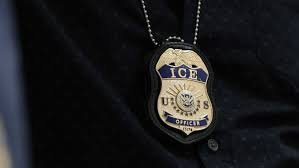
Shocking Case of Mistaken Identity: ICE Agents Target US Citizen in Chicago
In a disturbing incident that has sparked conversations about law enforcement protocols and civil liberties, agents from Immigration and Customs Enforcement (ICE) mistakenly targeted a US citizen in a suburb of Chicago. What was intended as a targeted fugitive operation ended in chaos, leaving an innocent man injured on the pavement.
The Incident: Chaos in Evanston
The events unfolded on a Sunday morning in Evanston, where local police were called to the scene after reports of a heated confrontation. According to the Evanston Police Department, witnesses reported hearing two men arguing and a declaration that an individual was being taken into custody.
Upon arriving, police officers found a man on the ground, being assisted by several passersby. The victim suffered injuries to his head, neck, and teeth, requiring immediate medical attention from an ambulance.
Conflicting Accounts: Police vs. DHS
The narrative of the encounter differs significantly between the local authorities and the federal government:
- n
- Local Police Report: Witnesses indicated that ICE agents were attempting to detain the man. A responding officer located two SUVs nearby and spoke with a federal agent in civilian clothing wearing a “POLICE” vest, who claimed to be conducting a “fugitive investigation.”
- DHS Statement: The Department of Homeland Security (DHS) stated that agents encountered a person who resembled their target. They claimed the individual refused to cooperate or identify himself, forcing agents to rely on their training.
Ultimately, after the man finally provided identification, the agents realized he was a US citizen and not the fugitive they were searching for. He was subsequently released, though the DHS statement notably omitted any mention of the injuries the man sustained during the struggle.
Legal Implications and Civil Rights
This incident raises critical questions regarding “reasonable suspicion” and “probable cause.” The DHS defended the operation by citing 8 USC 1357, which grants ICE the authority to make legal arrests. However, advocates for civil liberties often point to the Fourth Amendment of the US Constitution, which protects citizens against unreasonable searches and seizures.
According to police reports, federal agents eventually fled the scene not only because the identity error was discovered, but also because a crowd of protesters had begun to gather, leading the agents to fear for their own safety.
Key Takeaways from the Event
This case highlights the precarious nature of immigration enforcement operations in residential areas. When the line between a fugitive and a US citizen is blurred by a physical resemblance, the consequences can be physically and psychologically scarring.



